

Starting a new elementary STEM class or program can feel exciting and completely overwhelming at the same time. You may be staring at a pile of random supplies, a blank lesson plan, a new schedule, and a room full of students who are ready to build something immediately. You want your STEM class to be hands-on, creative, organized, and meaningful, but figuring out where to begin can feel like a project all by itself!

Start Your Elementary STEM Program with a Clear Purpose
Before you plan your first elementary STEM activity, think about what you want your program to accomplish. Do you want your students to become stronger problem-solvers? Do you want them to practice collaboration, creativity, engineering, coding, or real-world design thinking? Having a clear purpose helps every lesson feel more intentional.
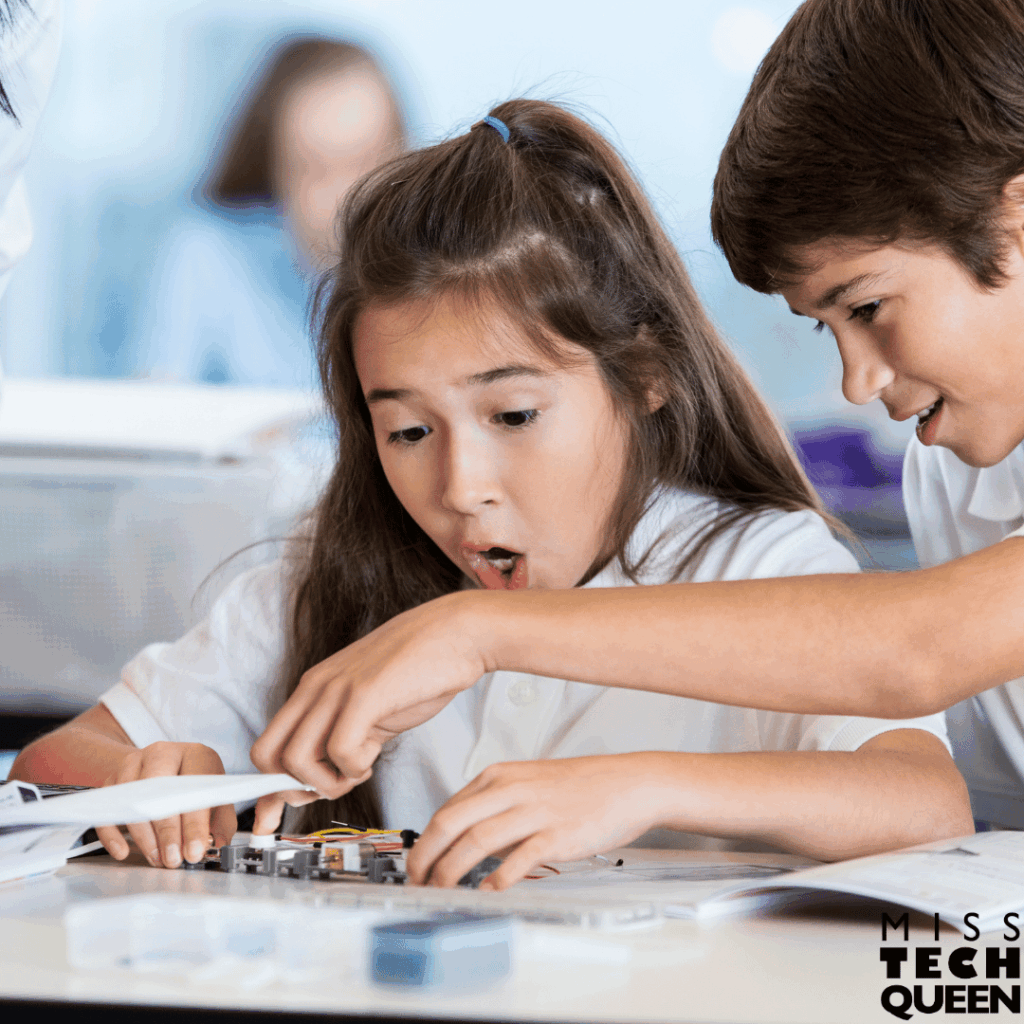
A simple way to start is by writing a short mission statement for your elementary STEM class. It does not need to be fancy. Something like, “Students will use creativity, problem-solving, and teamwork to design solutions to real-world challenges,” gives you a strong start.
Once you have that purpose, use it as a filter when choosing activities. If a project looks fun but does not connect to your goals, it may not be the best fit right now. This keeps your elementary STEM program from becoming a collection of random crafts and helps it grow into a meaningful learning experience.
Mapping Your Elementary STEM Curriculum
Curriculum mapping is one of the most helpful first steps when starting an elementary STEM program. Begin by looking at your schedule. Decide how often you will see your students, how long each class period will be, and whether you need lessons for a quarter, semester, or full school year.

A simple way to map your elementary STEM curriculum is to start with a calendar and assign one focus area to each month or grading period. September might focus on teamwork and design challenges. October on engineering and structures, and November on coding. December is holiday STEM projects, and January is problem-solving challenges. Once your themes are identified, begin picking specific lessons and projects to see how the year will flow before your students ever walk through the door.
After that, plug in specific lessons under each theme. Try to balance quick one-day challenges with longer projects that take several class periods. This gives your students opportunities to practice new skills while also applying what they have learned over time. Learn more about creating your own STEM curriculum by reading my step-by-step guide!
Gathering Supplies for Elementary STEM
You do not need a perfect makerspace to start an elementary STEM program. Begin with simple, flexible materials that your students can use in many different ways. Cardboard, craft sticks, tape, index cards, paper cups, straws, pipe cleaners, scissors, rulers, and building bricks can support a surprising number of STEM challenges.
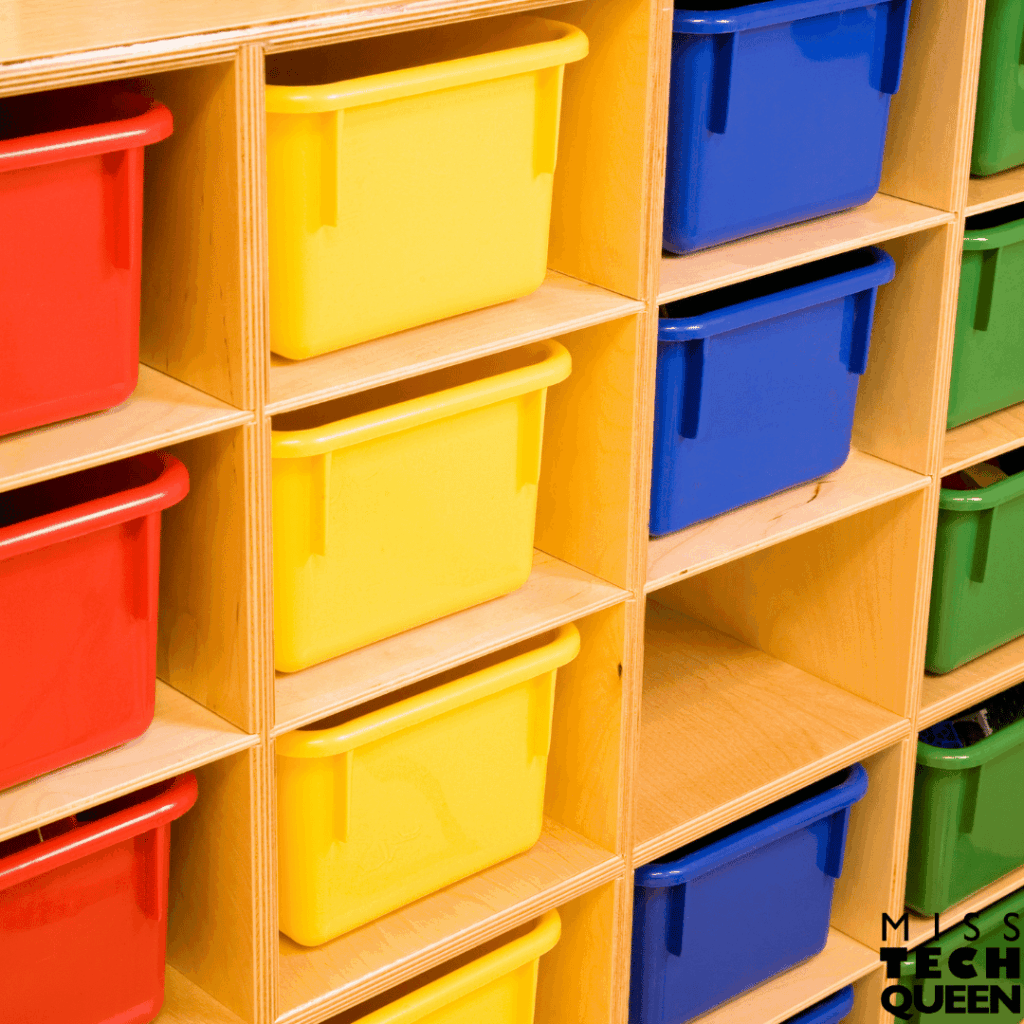
The key is to organize your elementary STEM supplies so your students can use them independently. Sort materials into labeled bins or drawers. Keep frequently used items easy to access. Save special materials for specific projects, so your students do not use everything in one class period.
As you gather materials for your elementary STEM program, create a master supply list and divide it into categories such as building materials, measuring tools, technology tools, craft supplies, and recyclables. Keep a running inventory in a spreadsheet or notebook, so you know when supplies need to be replenished. You can even consider sending a donation request home, asking your families to save items such as cardboard tubes, clean containers, egg cartons, and shipping boxes for future STEM challenges.
Funding Your Elementary STEM Program
Funding your elementary STEM program can feel tricky, especially if you are starting with a small budget. Before you buy anything, make a wish list organized by priority. Separate your must-have supplies from your nice-to-have materials so you know exactly what to ask for when funding opportunities appear.
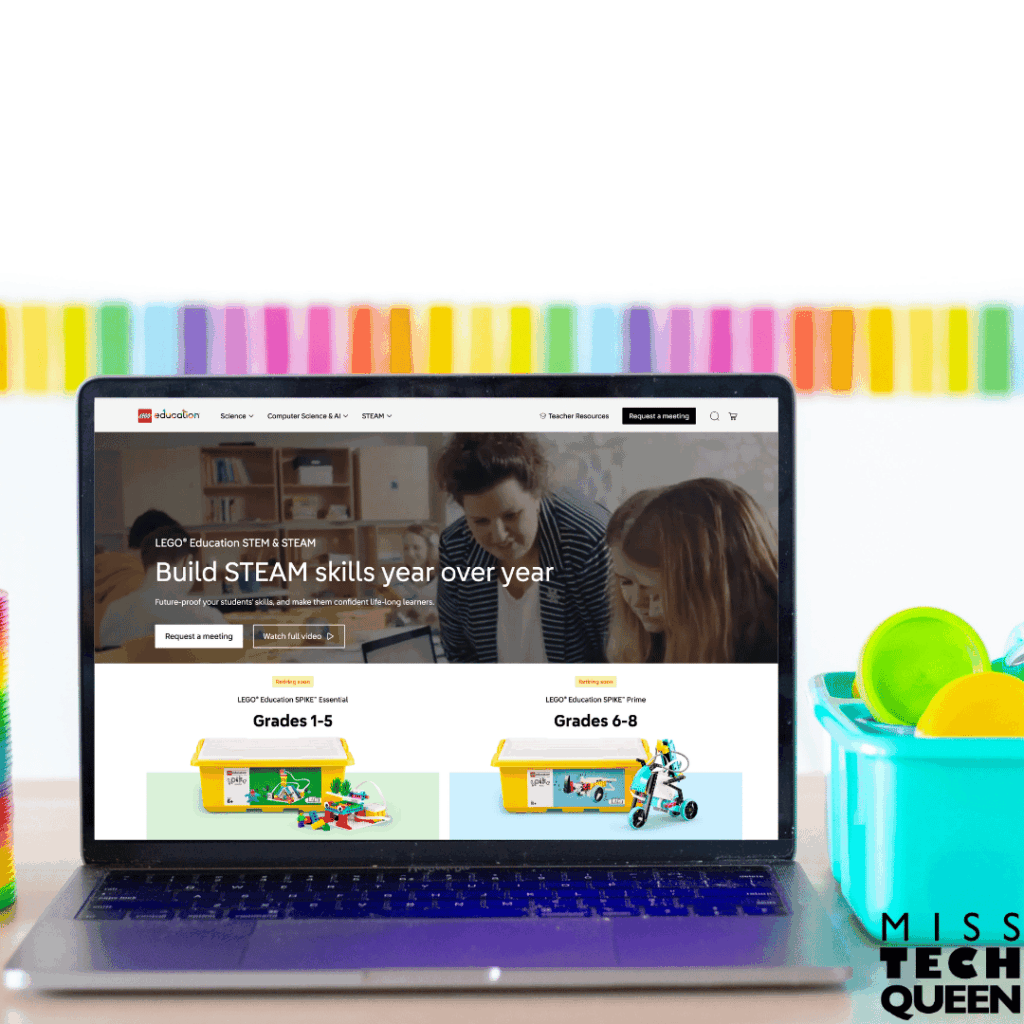
You can also look for grants, donations, school funding, PTO support, local business partnerships, and community sponsors. When asking for support, be specific about what your students will do with the materials. Instead of saying you need STEM supplies, explain that your students will use building materials to design bridges, solve engineering challenges, or explore coding and robotics.
I also recommend beginning by pricing out a single unit rather than an entire year’s worth of supplies. Create a simple spreadsheet listing each item, quantity needed, and estimated cost. This not only helps you prioritize purchases but also gives you information if you decide to apply for grants, request PTO support, or approach local businesses for donations.
Classroom Management in the Elementary STEM Class
Classroom management in elementary STEM looks a little different from management in a traditional classroom. Your students are moving, talking, building, testing, revising, and sometimes failing loudly. That is not a bad thing, but it does mean you need clear routines.

Start by teaching what collaboration should look and sound like in your elementary STEM class. Model how your students should share materials, disagree respectfully, divide jobs, and ask questions before giving up. Do not assume your students already know how to work in groups just because they are excited about the project.
Before your first major elementary STEM challenge, spend an entire class period practicing routines. Have your students rehearse how to collect supplies, move between stations, share materials, ask teammates for help, and clean up at the end of class. Although it may feel like you are losing instructional time, these practice sessions prevent many of the management issues that commonly occur later in the year.
Planning Your Elementary STEM Space
Your elementary STEM space does not have to be huge, beautiful, or Pinterest-perfect. It does need to be functional. Think about where your students will build, where supplies will live, where finished or unfinished projects will go, and how your students will move around the room.

If you are sharing a classroom or pushing into other rooms, create portable elementary STEM systems. A rolling cart, labeled bins, supply bags, or project trays can help you bring materials from place to place without feeling like you are moving an entire science museum every day.
Walk through a typical lesson from beginning to end as you set up your elementary STEM space. Ask yourself where your students will gather for instructions, where teams will build, where testing will occur, and where projects will be stored afterward. If your students need to carry projects across the room to test them, make sure pathways remain clear, and supplies are stored in locations that minimize traffic jams.
Creating Elementary STEM Routines and Procedures
Strong routines help your elementary STEM class stay calm, even during active, hands-on work. Start each class the same way whenever possible. You might have your students come in, sit with their team, review the challenge, and listen to the material directions before building.
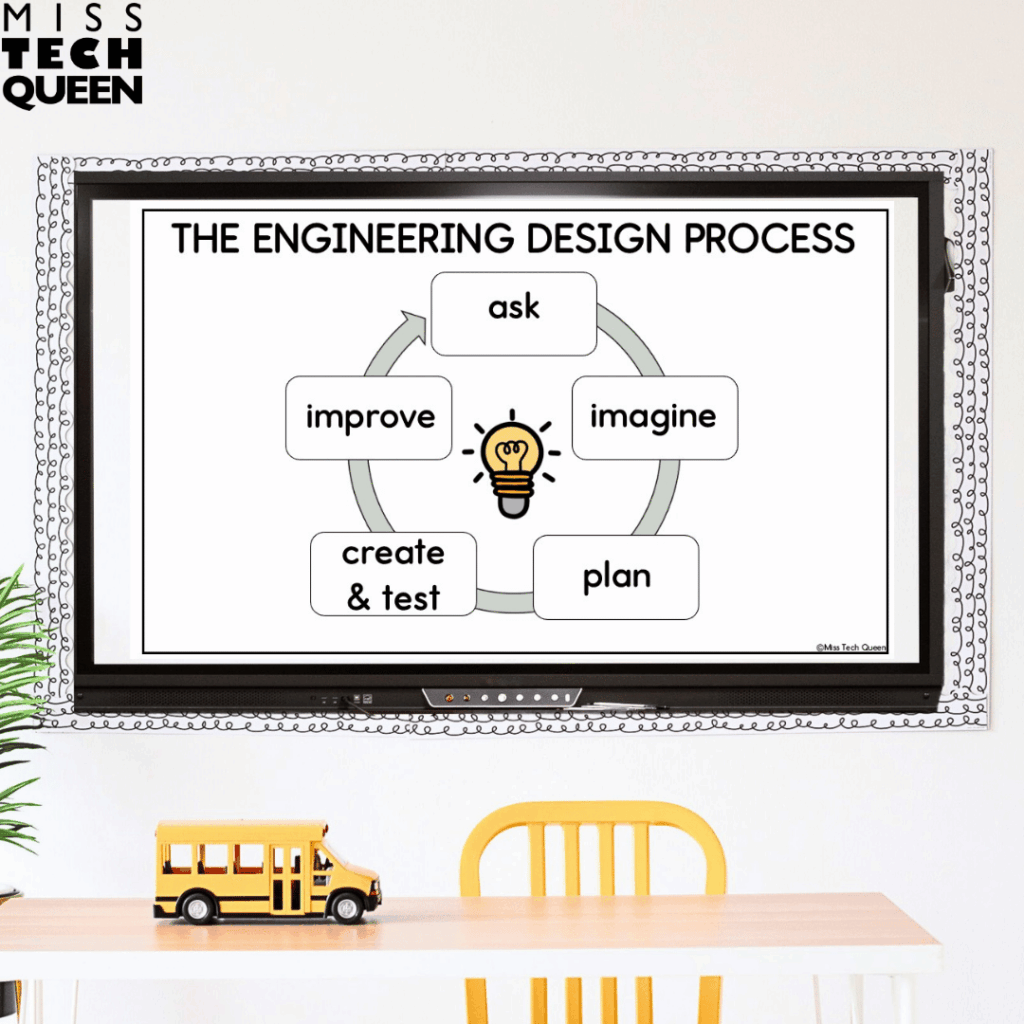
Create a predictable lesson flow for your elementary STEM activities. Your students might begin with the problem, brainstorm ideas, build a prototype, test it, improve it, and reflect. When your students recognize the process, they become more independent over time.
One helpful strategy is to create visual procedure posters for your elementary STEM classroom. You might have a poster showing the engineering design process, a cleanup checklist, and step-by-step directions for gathering materials. These visuals reduce repeated questions. They also allow your students to work more independently as the year progresses.
Assessing Student Learning in Elementary STEM
Many of you might be worrying about how you will grade an elementary STEM class. Assessments do not need to be complicated. Instead of focusing only on whether a project worked, consider assessing the skills your students use throughout the process. Collaboration, problem-solving, creativity, perseverance, and communication are often just as important as the final product.

Create a simple rubric that identifies the behaviors and skills you want your students to demonstrate during elementary STEM activities. You might score how well your students contributed to group discussions, tested their designs, documented their thinking, or improved their work after receiving feedback. Keeping the rubric focused on a few key skills makes grading much more manageable.
Student reflection can also become an important part of your elementary STEM assessment system. After each project, ask your students what worked, what challenges they encountered, and what they would change next time. These reflections help your students develop critical thinking skills while giving you valuable insight into their learning process.
Tips for STEM Teachers
One of my best tips is to start smaller than you think you need to. Your first project does not need motors, circuits, robots, and a dramatic final showcase. A simple challenge can teach teamwork, planning, testing, measuring, and redesign.
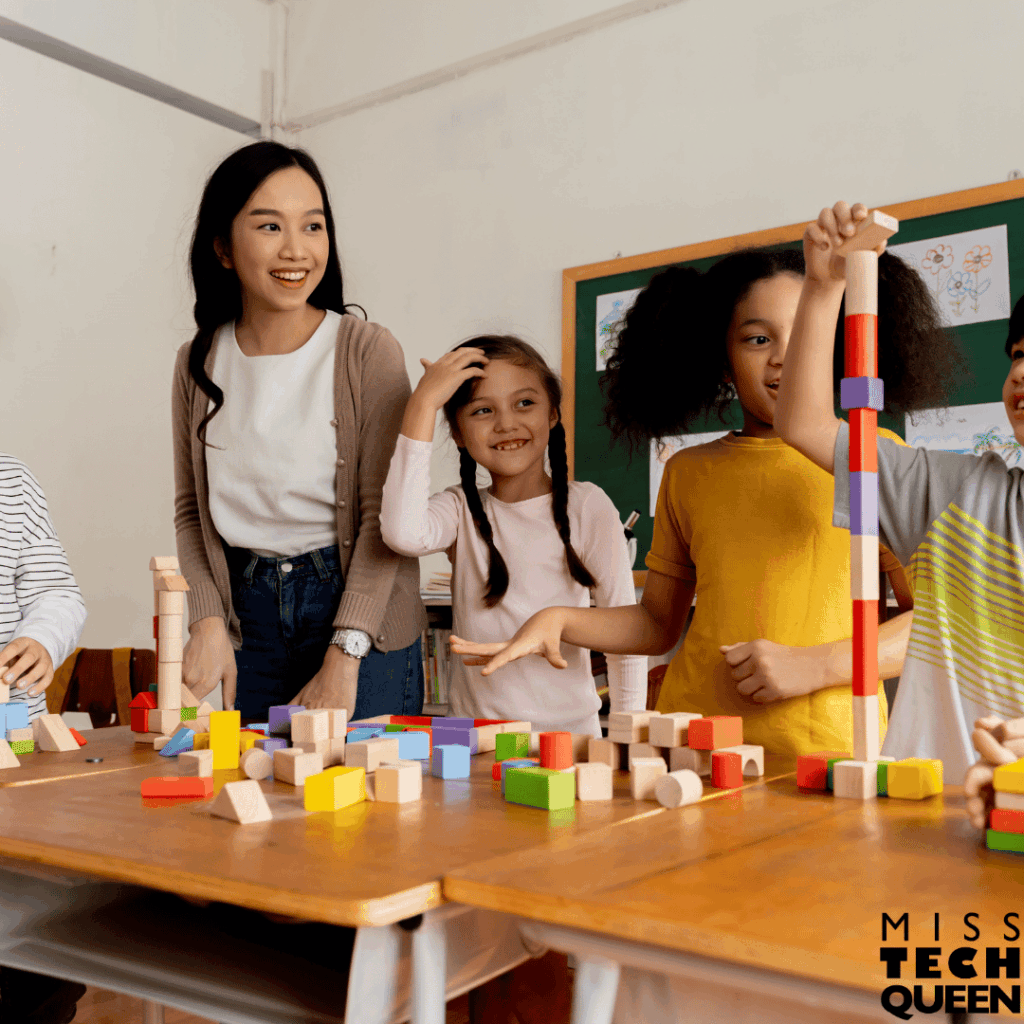
For the first few weeks of your elementary STEM program, choose challenges that can be completed with inexpensive materials and little prep work. Activities such as building the tallest paper tower or creating a bridge allow your students to learn routines. As your students become comfortable with expectations, you can gradually introduce more advanced projects and tools.
Give yourself permission to learn alongside your students. Your elementary STEM class will not always go exactly as planned, and that is okay. Some of the best learning happens when your students revise, problem-solve, and realize that the first idea is rarely the final one.
Make Planning Easier with STEM for a Year Club
If you are starting an elementary STEM program and want support with planning, my STEM for a Year Club can make the process so much easier. Instead of trying to piece together random activities, you can have prepared STEM lessons that help you build a consistent program throughout the year.
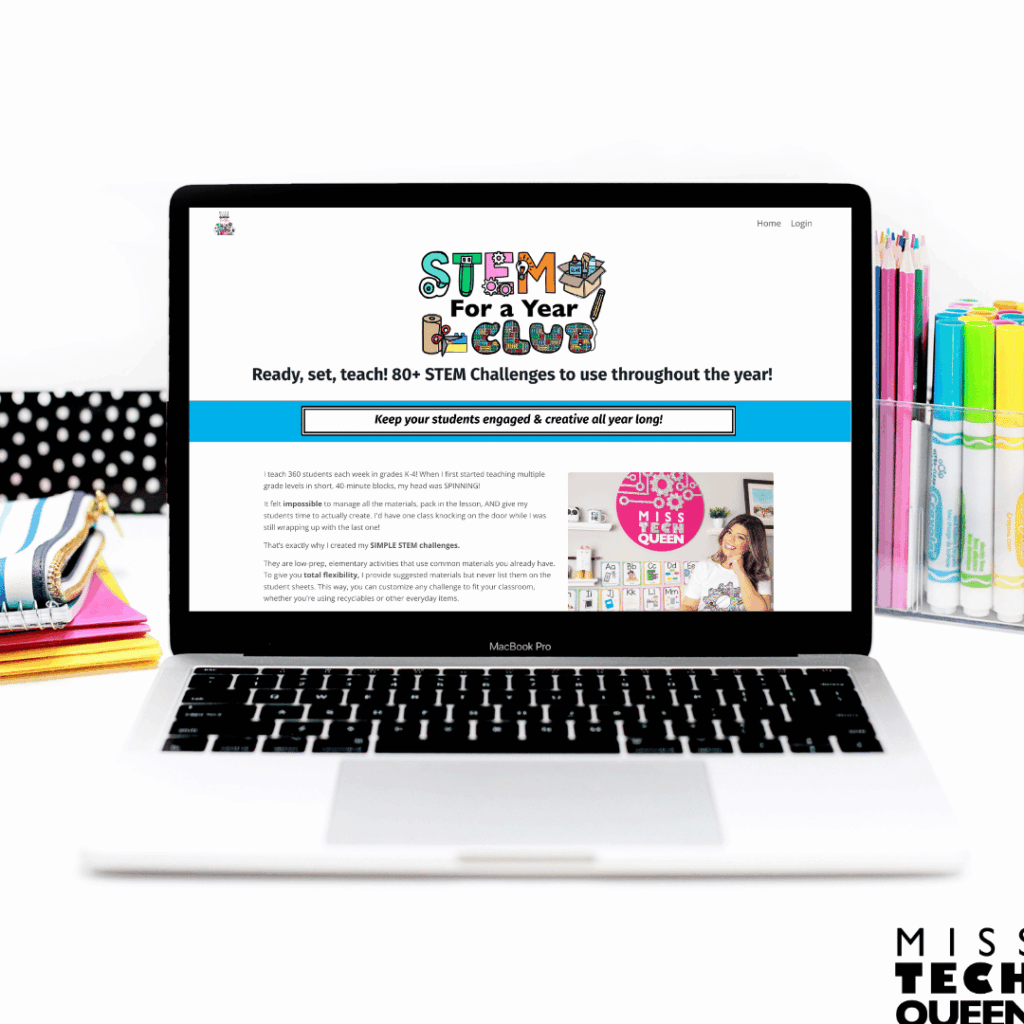
STEM for a Year Club is helpful when you want your elementary STEM lessons to feel organized, engaging, and purposeful without hours of work. You can use the activities to support your curriculum map, celebrate special days, or create a dependable routine.
STEM for a Year Club gives you a strong starting point. It helps you spend less time searching for ideas and more time helping your students build, create, test, and think. Read my post, Elementary STEM Curriculum Activities for the Whole Year, to learn more about how you can access a year’s worth of resources to enhance your STEM program!
Growing Your Elementary STEM Program One Step at a Time
Starting an elementary STEM program does not have to happen all at once. Begin with a clear purpose, map out your year, gather basic supplies, create routines, and build from there. Your students will grow more confident with collaboration, problem-solving, and design thinking. Your STEM class will become a place where they are excited to take risks, try new ideas, and learn through hands-on experiences. Remember that every successful STEM program started somewhere. Small, intentional steps today can lead to incredible learning opportunities for your students tomorrow.
Save for Later
Save this elementary STEM guide to your favorite STEM or teacher Pinterest board so you can come back to it when you are planning your program. When it is time to launch or improve your STEM program, you will have practical ideas and step-by-step guidance ready to go.