


If you’re a STEM teacher, chances are you’ve had at least one moment where you felt like you were juggling a dozen things at once. You’re managing materials, answering rapid-fire questions, keeping students engaged, and somehow trying to make learning meaningful in the middle of it all. Add in curious kids asking big questions and a room full of hands-on activity, and it can feel like controlled chaos on a good day.

The truth is, being a STEM teacher is incredibly rewarding. It also comes with challenges that don’t always get talked about. If you’ve ever wondered if it’s just you – it’s not. Let’s break down some common STEM teacher struggles and a few simple fixes that actually make teaching feel more manageable.
Handling Limited Materials and Supplies as a STEM Teacher

One of the most frustrating parts of being a STEM teacher is having a lesson vision that doesn’t quite match your supply closet. You imagine every group building, testing, and rebuilding, only to realize you don’t have enough robots, kits, or consumables to make that happen smoothly.
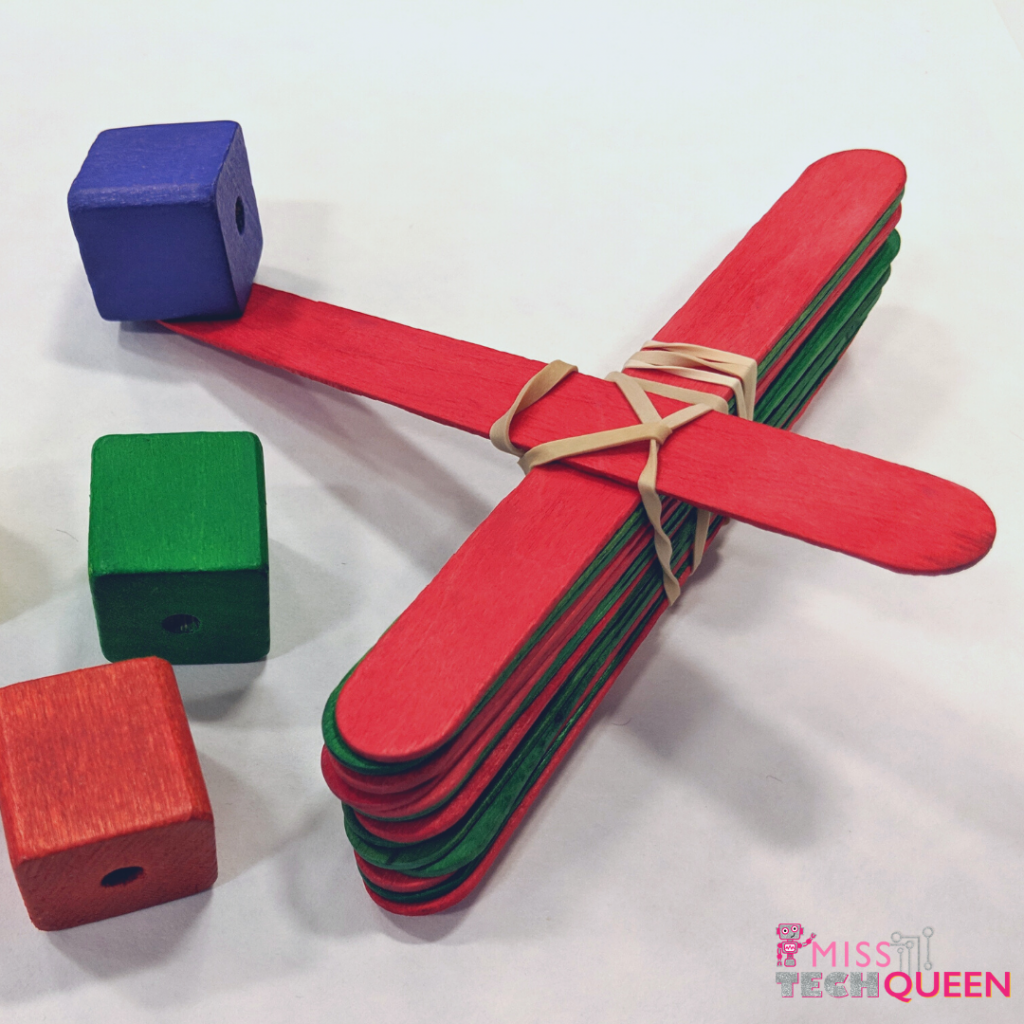
A helpful fix is shifting your mindset from activity-based to skill-based planning. Instead of planning lessons around specific tools, plan around what your students need to practice. Problem-solving, designing, testing, and revising can all be done with simple, reusable materials. Cardboard, paper, cups, craft sticks, and dry-erase markers become beneficial when your students are asked to design within constraints. Over time, building a small collection of reusable materials that you can pull out again and again saves planning time and reduces stress.
Managing Chaos Without Shutting Down Creativity

STEM classrooms are supposed to be active. As a STEM teacher, you know how quickly active can turn into overwhelming. Your students are moving, talking, testing ideas, and collaborating. This is great, and exactly what we want, until transitions fall apart or noise levels spike.
The fix is not tighter control, but predictability. When your students know exactly how a STEM class starts, how materials are used, and how cleanup works, the room feels calmer even when it’s busy. Simple routines like a consistent launch question, clearly posted expectations at each station, and assigned roles during group work keep your students focused. The goal is not to work in silence. The goal is purposeful movement that your students know how to handle.
Encouraging Problem Solving Without Becoming the Answer Giver

One of the hardest parts of being a STEM teacher is knowing when to step in and when to step back. The moment a design fails or a program does not work, many of our students immediately look to us for the answer. It can feel tempting to rescue them, especially when time is tight.
This is where productive struggle matters. Productive struggle is when our students are challenged enough to think deeply but supported enough that they do not shut down. In the STEM classroom, that struggle is where real learning happens. It is the space where our students test ideas, notice patterns, and learn from what does not work.
A simple fix is planning your responses ahead of time, so you are supporting the struggle without removing it. Instead of giving answers, use guiding questions like, “What were you hoping would happen?” or “What part of this worked the way you expected?” These questions keep your students thinking while still moving forward. Think-alouds also help students hear how problem-solving sounds. When you model noticing a problem, naming it, and trying a new approach, your students begin to internalize that process.
Shifting Students Away From the “Right Answer” Mindset

After our students experience productive struggle, another challenge often shows up. Even when they are capable, many of our students still want confirmation that they are doing it “right.” As a STEM teacher, you might hear questions like, “Is this correct?” or “Am I doing it the right way?” over and over again.
This is not resistance. It is a habit. Many of our students are used to learning environments where success means finishing quickly or matching an example. STEM challenges ask something different. They ask our kiddos to explore, revise, and trust their thinking, which can feel uncomfortable at first.
The shift happens when our students see that thinking matters more than finishing. One way to support this is by changing how lessons end. Instead of spotlighting the best-looking solution, share multiple approaches. Talk about what worked, what didn’t, and what your students would try next. This reinforces that there is more than one valid path forward.
Over time, your students will begin to ask different questions. Instead of “Is this right?” you’ll start hearing, “What if we tried this?” or “Can we change this part?” That is when you know the mindset shift is happening. As STEM teachers, we want to support this transition to help our students move from just seeking answers to true problem-solving.
Making STEM Accessible for All Learners

In one STEM class, you might have students who jump in immediately, while others freeze because they don’t know where to start. That gap can make differentiation feel overwhelming.
A practical fix is separating skill practice from challenge time. Short modeling moments, guided practice, or warm-up tasks allow your students to practice specific skills before applying them in a larger challenge. This gives your hesitant students an entry point while still allowing your confident learners to move forward. When your students feel prepared, they’re more willing to take risks and engage deeply.
Making STEM Fit Into Limited Time Blocks

Short class periods and rotating schedules are a reality for many of us. Trying to squeeze an entire design cycle into one session can leave both you and your students feeling rushed.
Consider letting your projects live longer. Breaking challenges into stages across multiple classes allows your students to return with fresh thinking instead of starting from scratch. A quick recap or visual reminder at the start of class helps your kiddos re-enter the task quickly. When your students know they will have time to revise and improve, they focus more and rush less.
Feeling Like You Have to Do It All as the STEM Teacher

As STEM teachers, we often feel pressure to be the expert on everything. Technology, materials, classroom management, and problem-solving can all land on our plates at once.
It’s so important to give yourself permission to rely on systems and supports. Repeatable routines, student helpers, and ready-to-use resources are not shortcuts. They’re tools that protect your energy. You do not need to design every lesson from scratch or solve every problem for your students. Your role is to guide learning, not carry the entire load.
Planning STEM Lessons for a Year
If planning STEM activities feels like one more thing on an already full plate, the STEM for a Year Club can help! This collection includes 80 STEM challenges that you can rotate through the year. They are designed to give you a reliable starting point while still leaving room to adjust and personalize.
What makes these challenges especially helpful is how practical they are. The activities are low prep and use common classroom materials you already have. Suggested materials are provided, but you can easily swap them for recyclables or everyday supplies. Student response sheets come in different formats to support a range of grade levels and abilities. You can even use the challenges for centers as for whole class instruction.
These STEM challenges focus on creativity and problem-solving, not perfect outcomes. Many challenges can also be paired with a read-aloud, making it easy to connect STEM and literacy. If this sounds like something your students would enjoy and something that would make your planning easier, check out the STEM for a Year Club and see if it’s the right fit for your classroom!
Supporting Yourself as a STEM Teacher
Being a STEM teacher means working in a space that values creativity, exploration, and thinking. That work is important, even when it feels messy. Small shifts in routines, expectations, and planning can make a big difference over time. You don’t need to change everything at once. Choose one struggle that feels heavy and try one simple fix. Teaching STEM should feel challenging in a good way, not exhausting all the time.
Save for Later
If this post felt familiar and helpful, save it for later. Pin it or bookmark it so you can come back when planning or when teaching starts to feel overwhelming. Sometimes the best support is knowing you’re not alone. Small changes really can help!