

Between lesson planning, meetings, and everything else on your plate, adding a STEM night to your to-do list can feel like just one more overwhelming task. But with the right structure in place, it can actually become one of the most rewarding and manageable events of the year. A well-planned STEM night does not have to be complicated to be successful. With a mix of hands-on activities, technology, and creativity, you will be able to create an experience your students and their families will be talking about long after the night is over.

Why a STEM Night Is Worth Planning
A STEM night gives you the opportunity to bring learning beyond the classroom walls and involve your families in a way that feels natural and engaging. Your students are not just completing assignments or following directions. Instead, they are exploring, building, testing, and creating while interacting with the people who support them at home. That kind of shared experience builds excitement around learning in a way that is difficult to replicate during the school day. Families also begin to see what their children are capable of. Your students gain confidence as they explain and demonstrate their thinking. These moments help strengthen the connection between school and home in a meaningful way.
Another reason a STEM night is so valuable is that it allows your students to experience a wide range of learning styles and interests all in one place. Some of your students will naturally gravitate toward building and engineering, while others are drawn to technology or creative design. When you provide a variety of stations, you are allowing everyone to find something that truly captures their interest. This also helps your families see that STEM is not limited to one specific type of activity or skill.
A STEM night also gives you the chance to showcase what learning looks like in your classroom in a very real and visible way. Your families can see the process, not just the final product, which helps them better understand how their children are thinking and learning. They see their kiddos trying, adjusting, and improving rather than simply getting the “right” answer. This kind of experience helps reinforce the idea that learning is about growth and exploration. It also creates a positive and welcoming environment where your families feel connected to what is happening in your classroom.
How to Structure Your STEM Night
One of the biggest factors in a successful STEM night is having a clear and thoughtful structure in place. When your event is organized in a way that feels easy to navigate, your students and their families can focus on the experience instead of feeling unsure about what to do next.
Before we jump into the step-by-step preparations, there are a few things you will need to consider.
- Is this for one classroom, one grade level, or the entire school?
- What level of teacher involvement will be required? Will each plan and host an activity, or just be present to interact?
- Do you want each segment to have a set time (e.g., 15 minutes, then everyone moves to something new), or do you want options that families can move through at their own pace?
The answers to these questions will guide your preparation.
1. Set Up STEM Stations
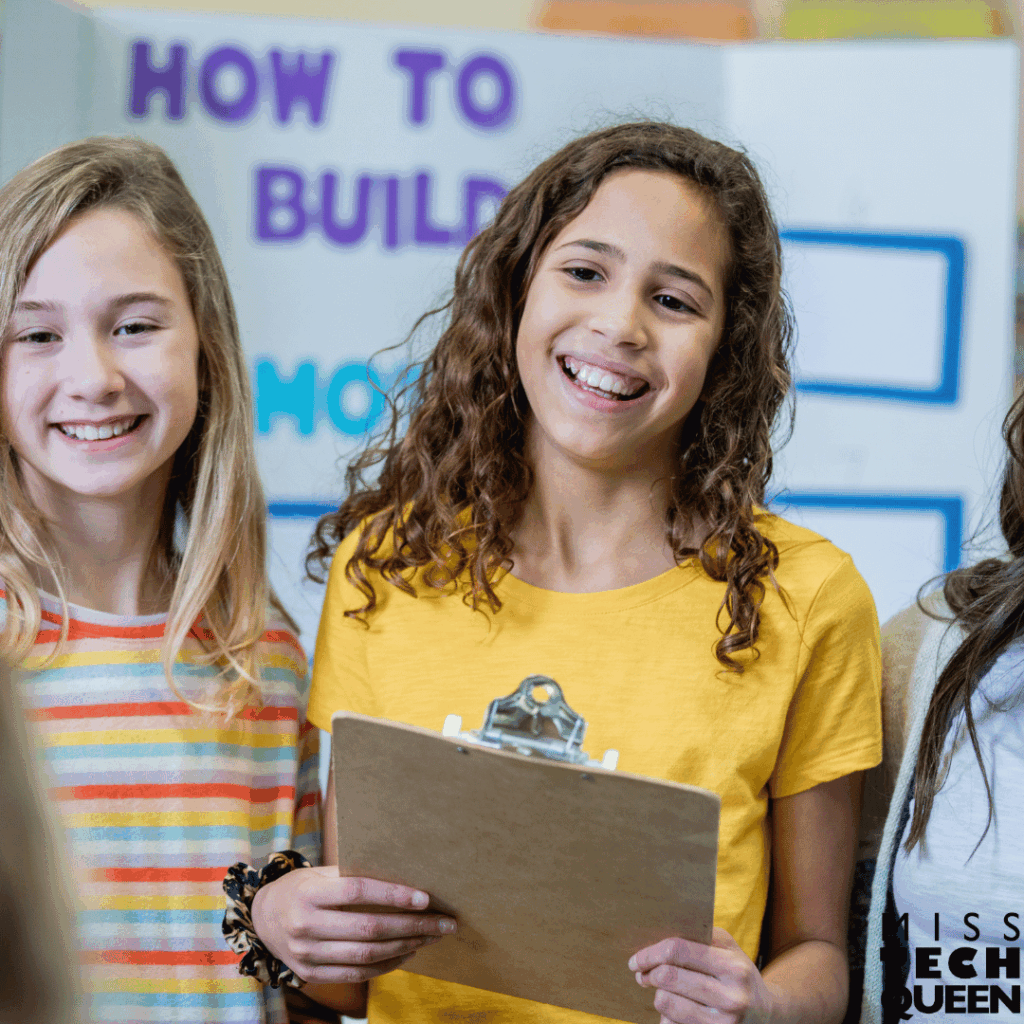
When planning a STEM night for your class or school, STEM stations are a must! They are the perfect hands-on, interactive activity to keep everyone engaged and learning about STEM concepts.
There are multiple ways to set up your stations. What you choose will depend on your answers to the questions above. However, there are some common things to remember, no matter the type of event you are planning. And. . . the most important is space. I recommend spreading the stations around in whatever space you have available. This setup creates a natural flow and allows everyone to stay engaged throughout the event. It also makes it easier to manage large groups without things feeling overwhelming.
To support that flow from the very beginning, it helps to have a welcoming check-in area as your families arrive. You can set up a table where they check in, create name tags, and pick up any handouts for the evening. These handouts can be a map of stations, tips for STEM at home, or a simple overview of how the STEM night will run. If you are hosting your STEM night in your classroom, this can easily be adapted to a smaller welcome space near the door. Starting your STEM night with a clear and welcoming entry point helps your families feel comfortable and confident as they begin exploring.
2. Timing of the Event
You can decide if you want families to rotate on a set schedule or allow them to explore freely. In most cases, a flexible approach works best, especially when you are working with a wide range of grade levels, such as PreK through 5th. This allows your families to spend more time at stations that interest them and move on when they are ready, which makes the experience feel more relaxed. Your younger students may also need more time at certain stations, while your older students may want to explore more options. This encourages your families to fully engage rather than rushing through activities.
3. Types of Stations

It is also important to think about the balance of your stations. You want to include some activities that are quick and easy to start, as well as others that allow for deeper exploration. Quick-start stations help keep the flow moving and prevent long wait times. More in-depth activities give your students the chance to stay, create, and fully engage in the process. This balance keeps your STEM night feeling dynamic and engaging from start to finish. It also ensures that there is something for everyone, no matter their interest or attention span.
4. Materials
As you plan your layout, consider how materials will be organized and presented at each station. Having everything ready and easy to access will make a huge difference in how smoothly your event runs. Simple direction cards or quick explanations at each station can help your families get started without needing constant assistance. Make sure to have your supplies labeled, organized, and easily accessible at the location of the activity as well. This allows you to step back and enjoy the event while your students and their families take ownership of their learning. When your structure is clear and your materials are prepared, your STEM night becomes a seamless and enjoyable experience for everyone involved.
STEM Night Station Ideas Your Students Will Love
When you plan a STEM night, you want to focus on creating a variety of experiences that allow everyone to find something they enjoy. Not every student is drawn to the same type of activity. Offering different kinds of stations helps keep everyone engaged. By including a mix of activities, you are giving your students the chance to explore STEM the way they want to. This also makes your STEM night feel more dynamic and interactive for families. A variety of stations keeps the energy high and encourages exploration throughout the event.
1. Coding and Robotics Stations for Your STEM Night
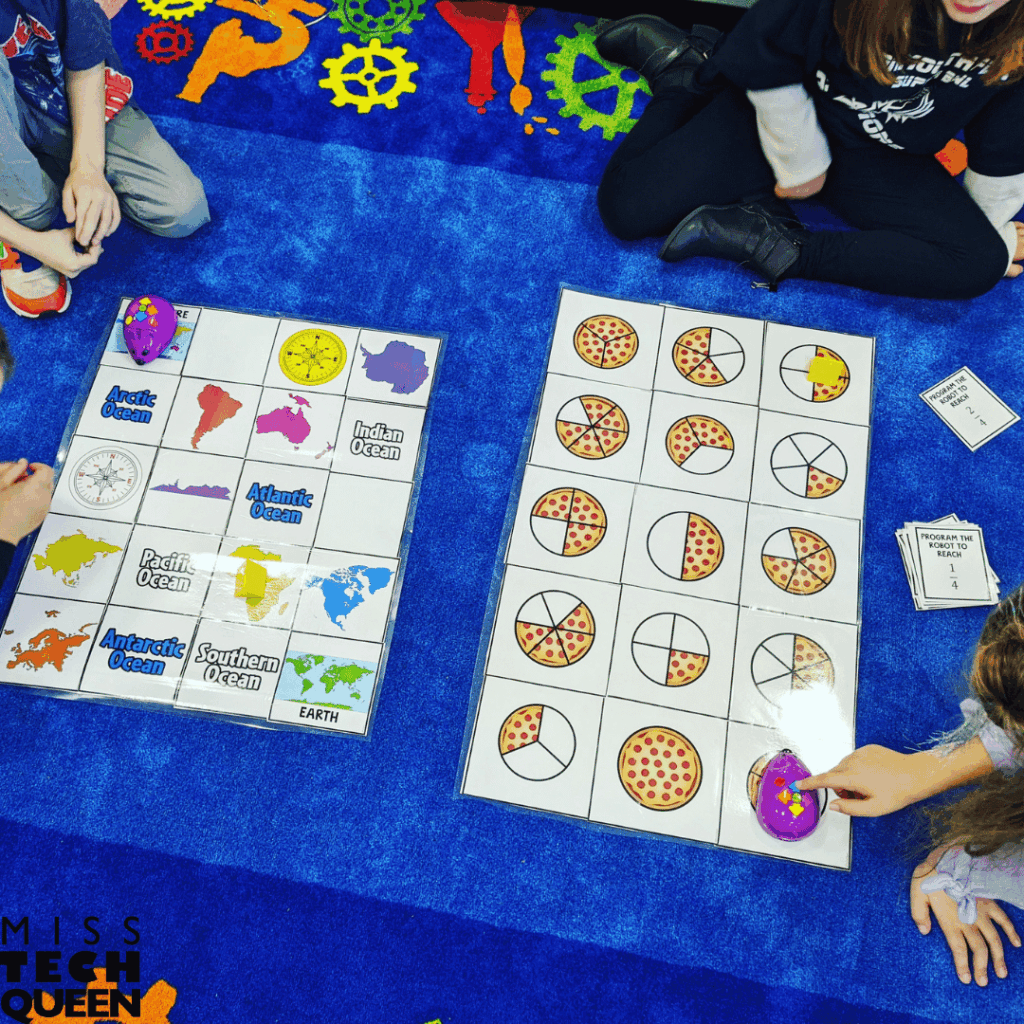
Coding stations are always a favorite during a STEM night because they are interactive, engaging, and easy to jump into. One setup you’ll love using is a robot maze where your students program robots like Bee-Bots, Spheros, or Robot Mouse to move to a specific location. Your students will select a challenge and plan their path. Then, they can test their code to see if their robot reaches the target. If their plan does not work, they adjust and try again, which naturally builds problem-solving skills.
This type of activity enables your students to take ownership of their learning while also inviting their families to join in. It creates a collaborative experience that feels both fun and meaningful. And. . . it is one that will surprise lots of parents who would not use the word coding and their child in the same sentence.
You can also include unplugged coding options. Unplugged coding is especially helpful for your younger students or for balancing screen time. Activities like Code a Sandwich or Code a Sandcastle allow your students to show off their sequential thinking skills without needing a single robot or device. These stations provide an opportunity for students to explain what they are doing, which reinforces their learning.
Including both tech-based and unplugged coding options helps make your STEM night more accessible and well-rounded. It ensures that each of your students has a way to engage with coding.
2. Hands-On Building Challenges for Your STEM Night
Building stations are a key part of any STEM night because they encourage creativity, problem-solving, and hands-on exploration. I recommend including simple engineering challenges that push your students to think about how things work. For example, your students can create a prosthetic leg for a paper spider using materials like pipe cleaners, straws, and tape. Once they build their design, they can test it to see if the spider can stand. From there, they can make adjustments as needed and repeat that process over and over. This adds a layer of real-world problem-solving that makes the activity even more meaningful. Your families can work with their kiddos to brainstorm ideas and test solutions.
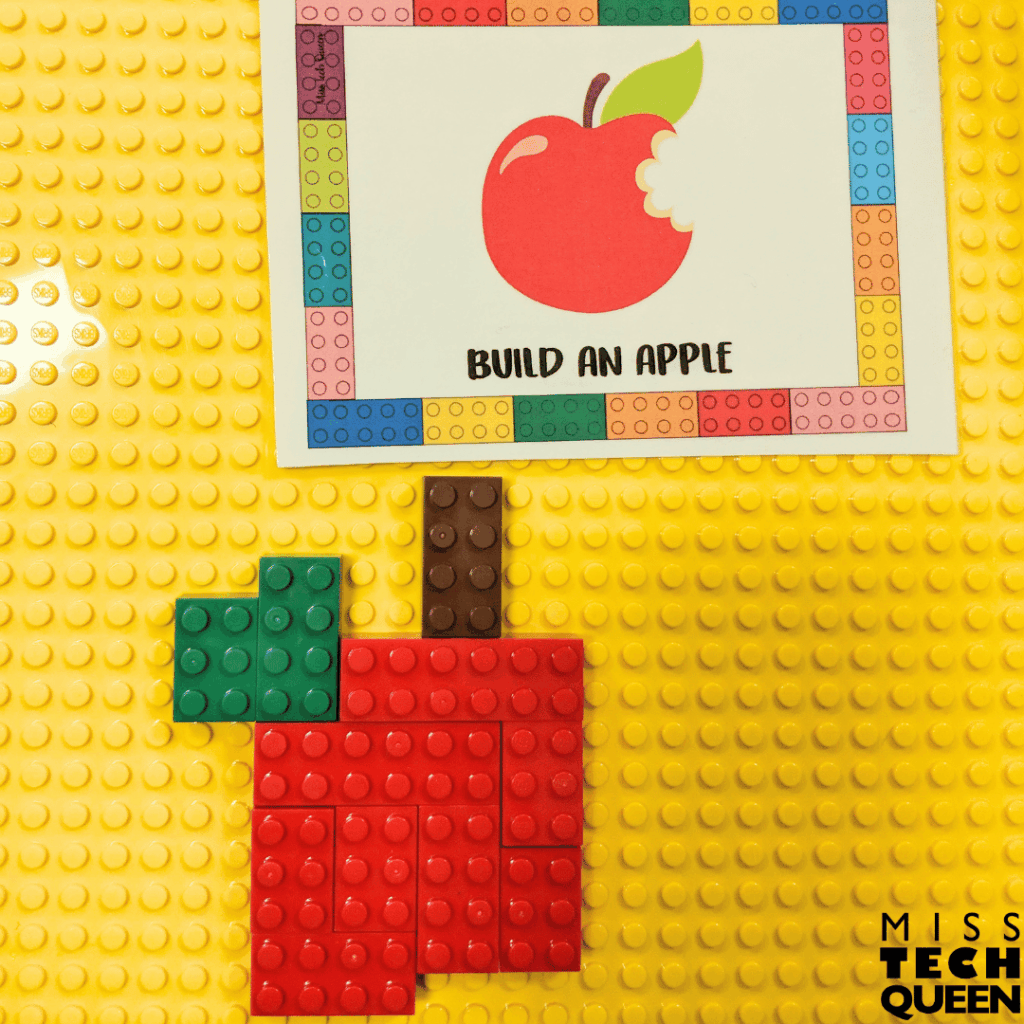
Another great building option is using open-ended building task cards that prompt your students to create different designs using materials like LEGO bricks. These activities do not have a single correct answer. This allows your students to think creatively and experiment with different ideas. As they build, they can test their designs, make adjustments, and improve their work. This process helps them develop important engineering skills in a way that feels natural and engaging. These types of challenges help your families and students see that STEM is about trying, improving, and learning from mistakes.
3. Creative STEM and Art Integration for Your STEM Night

Not every STEM activity has to look like traditional coding or building. Adding creative stations can make your STEM night even more engaging. Activities like tessellation drawing, modeling clay creations, or sketching ideas on sticky notes give your students a chance to explore STEM through art and design. These activities encourage your students to think about patterns, structure, and planning while still expressing their creativity. They also provide an entry point for your students who may not be as interested in coding or building. This balance helps ensure that everyone feels included and excited to participate.
Painting with Spheros is another creative option that brings together technology and art in a really engaging way. Your students can program the robot to move through paint and create unique designs. It is always a crowd favorite because your students love seeing their code creatively come to life. And. . . since Sphero cleans up easily, there’s no harm to the robot! All you need is some paper, tempera paint, and a small box to contain the robot so he doesn’t paint the room. This one will be a favorite!
Stop motion animation is another well-received activity that connects art and creativity to technology. It allows your students to create short animated clips using simple props and a device. Even a quick version of this activity introduces your students to storytelling, sequencing, and technology in a hands-on way. These creative stations help show that STEM can be both technical and artistic at the same time.
4. Sensory and Exploration Stations for Your STEM Night
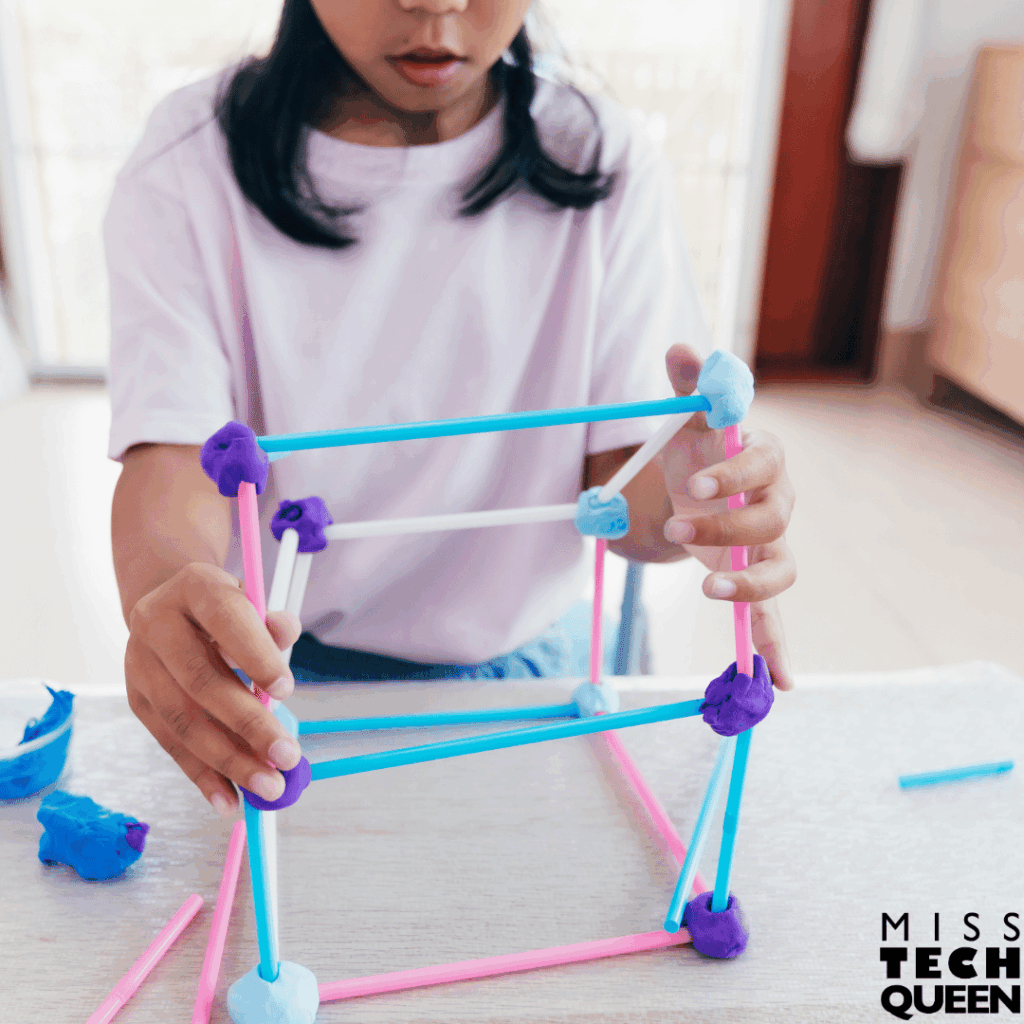
Including sensory-based STEM activities helps make your STEM night more accessible and engaging. These stations are especially helpful for your younger students who benefit from hands-on, exploratory experiences. The easiest way is to set up a space with materials and let students build. I always find it helpful to give them a challenge so they know the goal. The tallest tower, a shelter for an animal, or even a bridge, are all perfect options for this type of build. Then provide non-traditional building materials like straws, pipe cleaners, newspaper, playdough, or whatever else you have on hand. There’s no right or wrong with your choices on this one. The goal is creative problem-solving.
Sensory stations also create opportunities for your families to interact and explore together in a more relaxed way. Your students can explain what they are doing while their families ask questions and participate in the process. This kind of interaction helps reinforce learning while also building confidence.
5. Real-World STEM Connections for Your STEM Night
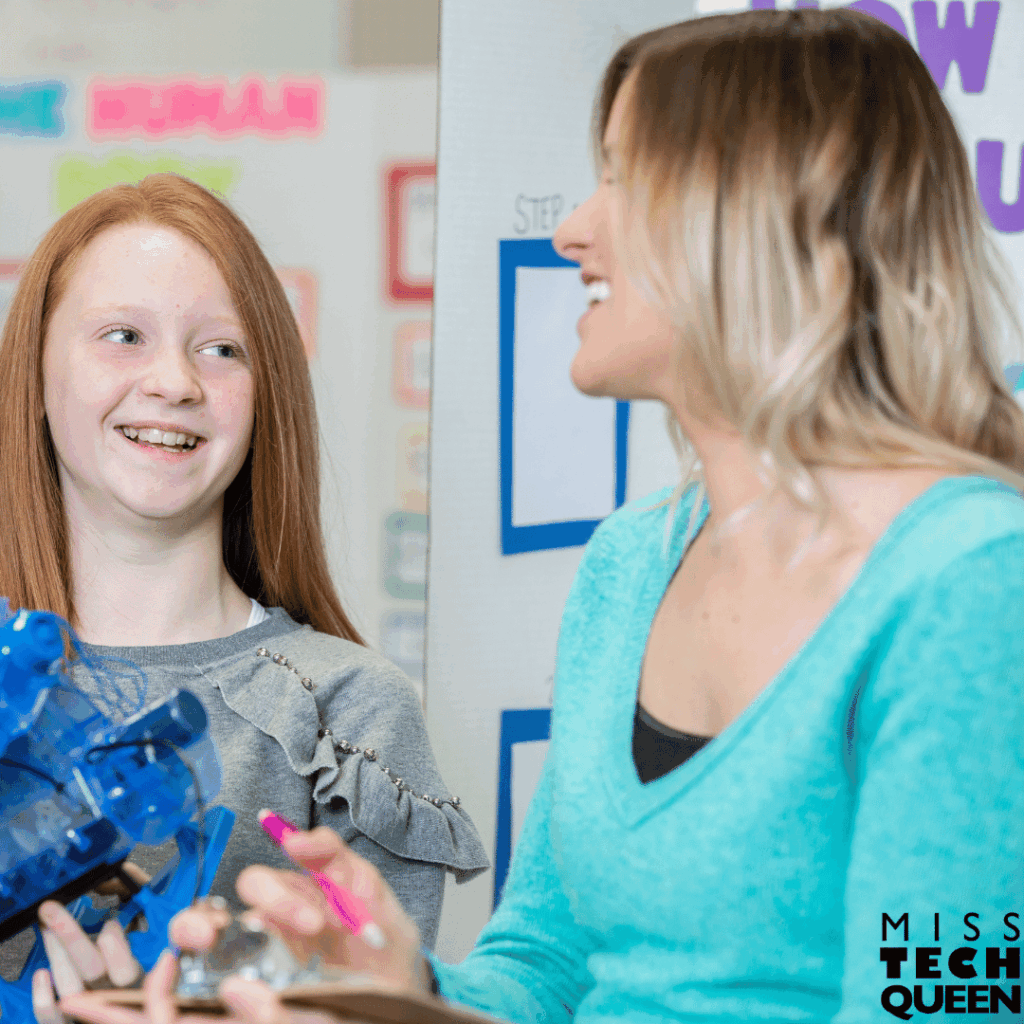
One of the most important parts of a STEM night is connecting what your students are doing to real-world applications. Inviting professionals who work in STEM fields to participate in your event can add a meaningful layer to the experience. These guests can set up tables, share what they do, and answer questions from your students and families. Hearing directly from people who use STEM in their careers helps make learning feel more relevant and purposeful.
Your kiddos will become more intrigued when they can see how what they are learning connects to the real world. These interactions can create new interests and help them begin to think about future possibilities. Your families also gain a better understanding of how STEM skills are used outside of the classroom. Consider reaching out to your families first to see who works in STEM fields and who would be willing to share their time and knowledge!
Additional Resources to Explore
If you are excited about planning a STEM night but also wondering how you are going to pull together all of these activities, you are not alone. Finding a variety of STEM challenges that work across multiple grade levels can take a lot of time. That is exactly why I created my STEM for a Year Club. It gives you access to 80 STEM challenges that you can use throughout the entire school year, including for events like your STEM night.
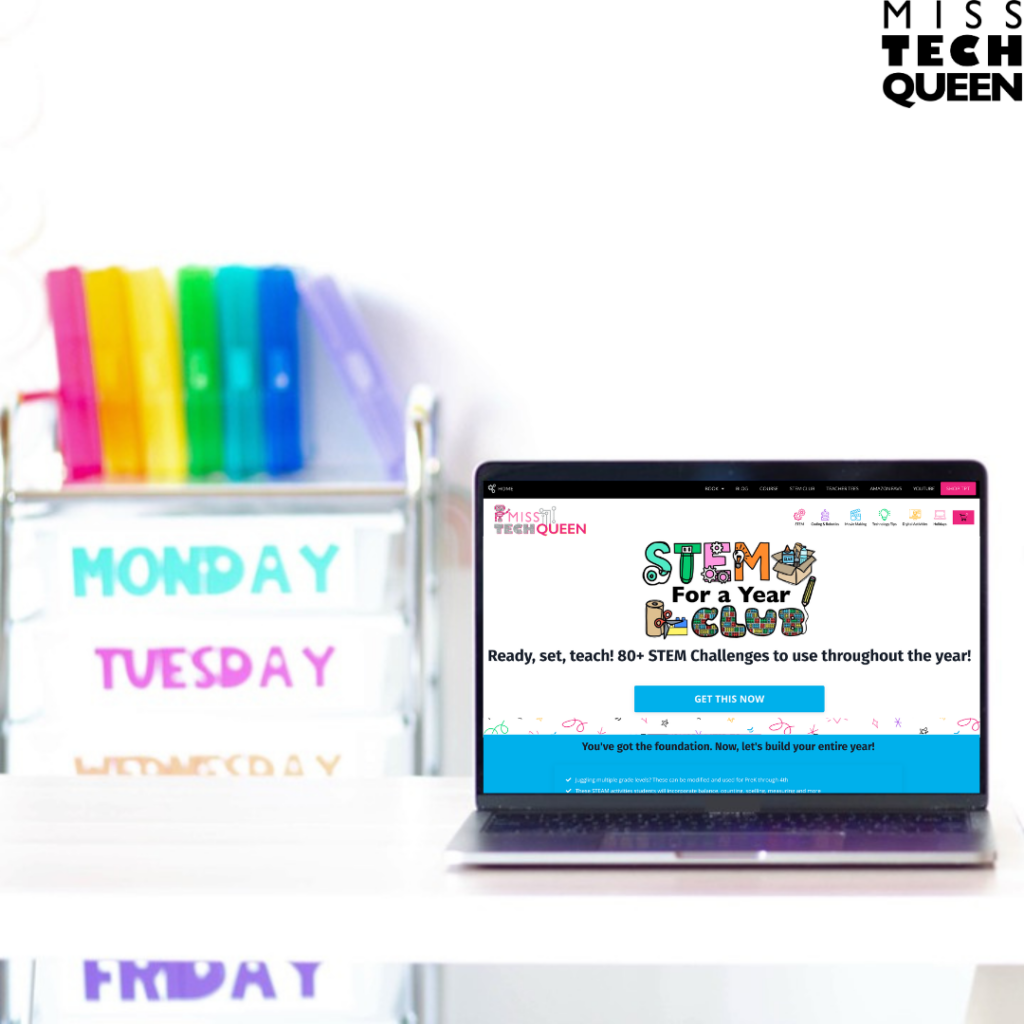
What I love most about these challenges is how flexible they are. You can easily adjust them based on your students’ needs. The activities are hands-on and designed to encourage creativity, which means your students will all come up with different solutions and designs. You also receive student response sheets in different formats, making it easy to differentiate and keep your kiddos accountable without adding extra prep.
The activities are low-prep and use materials you likely already have in your classroom or at your school. I provide suggested materials for you, but they are not listed on the student pages, so you can easily swap in whatever you have available. Many of the challenges can also be paired with read-alouds, which adds an extra layer of learning if you want to give that option to explore more beyond your STEM night.
If you are looking for a way to make your STEM night planning easier while also having ready-to-use activities for the rest of the year, check out my STEM for a Year Club.
Make Your STEM Night a Reality
Planning a STEM night may feel like a big task at first, but it becomes much more manageable when you focus on what truly matters. When you create a variety of engaging, hands-on activities and build a structure that supports flexibility, everything starts to come together. Your students will have the opportunity to explore, create, and problem-solve in ways that feel exciting and meaningful. They will also have the chance to share those experiences with their families, which makes the learning even more impactful.
The most rewarding part of a STEM night is seeing your students take ownership of their learning. Watching them explain their thinking, demonstrate their ideas, and engage with their families creates memorable moments. Those are the moments that remind you why events like this are worth planning. With the right approach, your STEM night can become an experience that your students and their families will remember long after the event is over.
Save for Later
If you are planning a STEM night or thinking about hosting one in the future, save this post to your favorite STEM Pinterest board, so you have these ideas ready when you need them.