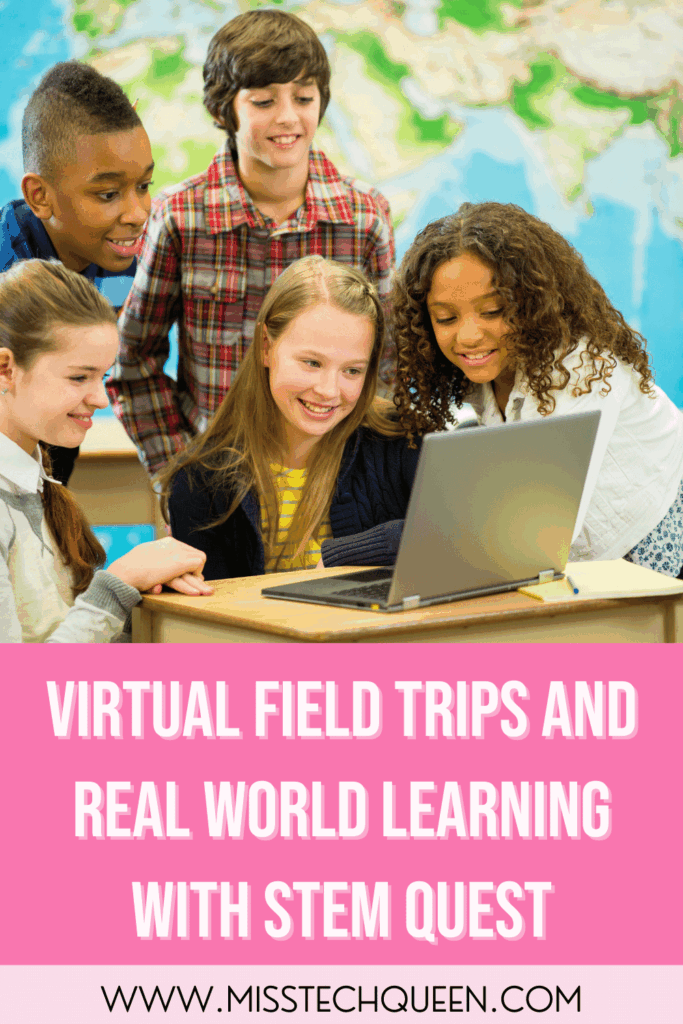
Who’s ready for a field trip? Nothing gets our students more excited than hearing those six words from their teacher. But let’s be honest for a minute. Traditional field trips are not always realistic. Between tight schedules, limited funding, behavior concerns, and the pressure to stay aligned to standards, planning a field trip can feel overwhelming. That’s exactly why I started using virtual field trips in my classroom!
Virtual Field Trips and Real World Learning with STEM Quest
Once I started looking for ways to bring that same excitement into my classroom without all the logistics, virtual field trips quickly became one of my favorite solutions.
You want the excitement and engagement of a traditional field trip, but you also need structure, accountability, and learning that actually moves the needle. With STEM Quest, your students still get the adventure without the buses, permission slips, or schedule stress. Instead, they step into immersive learning experiences that keep them exploring, thinking, and making connections along the way.
What are STEM Quest Virtual Field Trips?
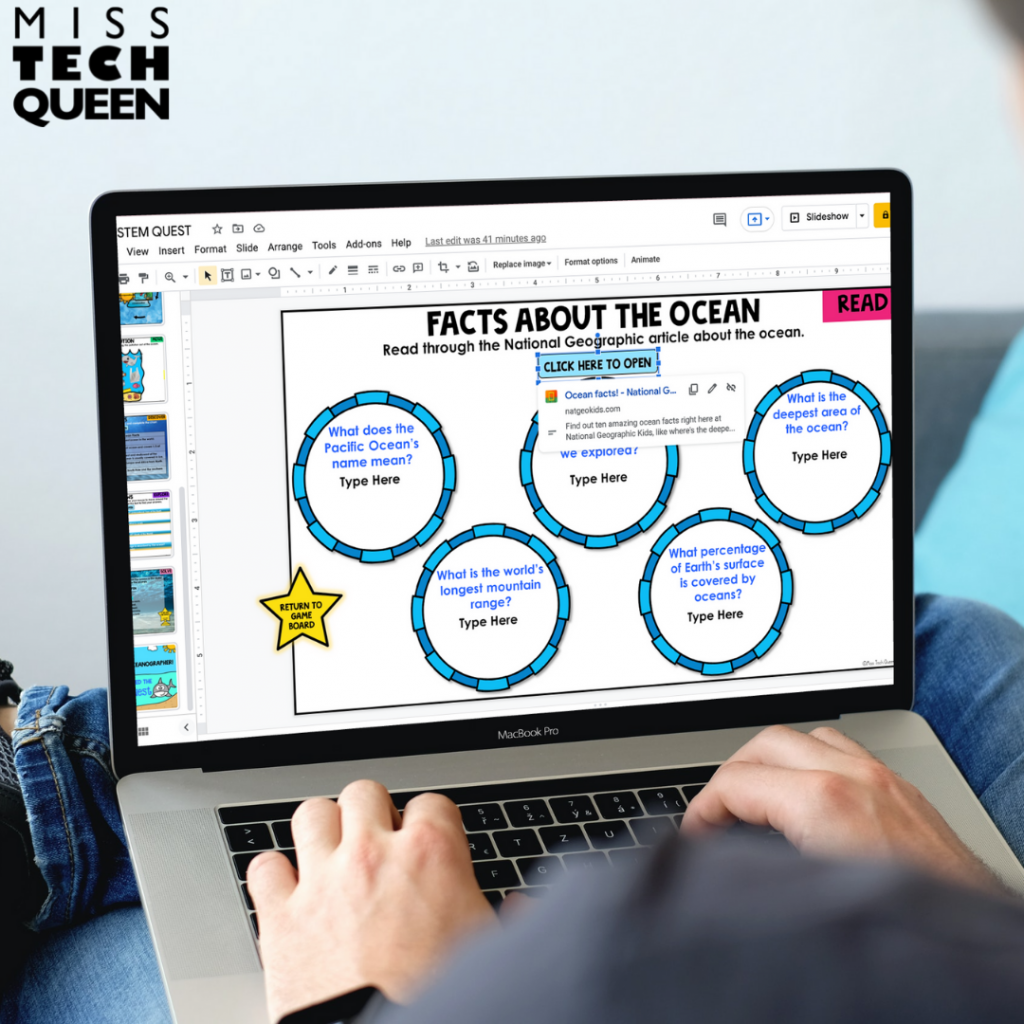
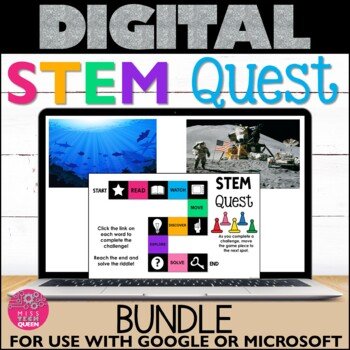
STEM Quest virtual field trips are a mix between a web quest, a virtual field trip, and an escape room. Each quest invites your students to complete interactive challenges based on STEM topics and solve riddles at the end of the experience. They take engagement and learning to a whole new level!
Using websites, videos, Google Earth, and other online tools, students dive into the content while actively working their way through each challenge. Along the way, students will be immersed in content related to the topic, while also working on technology skills. That’s a win-win!
Let’s take a look at a few of the STEM Quest virtual field trips that can turn an ordinary class period into a learning adventure.
Let’s Go to Outer Space!
I bet you never thought you would say that to your students. With this STEM Quest virtual field trip, you can send your class on a space adventure without ever leaving your classroom.
Your young astronauts will be excited to open the Google Slides and begin their STEM Quest. Using a virtual game board and a colored pawn, students move along the path and click links that guide them to different challenges along the way. Each stop along the path introduces them to new information about space while keeping the experience interactive and fun.
Exploring the Planets
One of the things my students enjoy most about this quest is how interactive the challenges are. Instead of just reading about space, they actively explore it.
At one point, students watch an engaging National Geographic video that takes them on a journey through our solar system. As they travel from planet to planet, they begin noticing what makes each one unique.
After the video, students drag and drop the planet names to classify them as terrestrial or Jovian planets. It’s one of those activities where students are learning important vocabulary and concepts without it feeling like a typical science lesson. You can hear the excitement as they start recognizing patterns and realizing how different the planets really are.
Visit the Space Station
One of my students’ favorite moments in this quest happens when they use Google Earth.
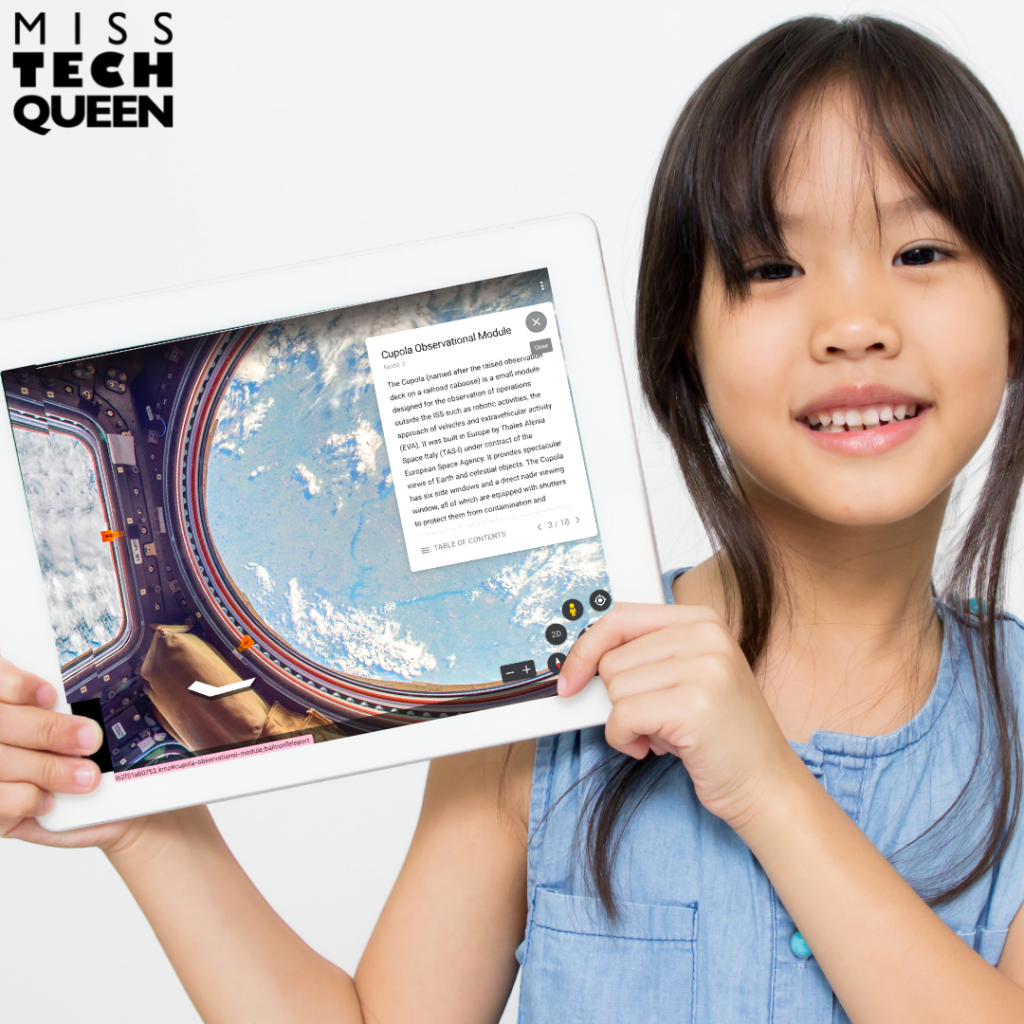
Students are invited to explore the International Space Station and see our planet from a completely different perspective. They zoom in, rotate the view, and take a closer look at where the station is orbiting above Earth.
This part of the activity always changes the energy in the room. Students lean closer to their screens, pointing out what they notice and sharing facts they discover along the way. It’s one of those moments where curiosity takes over, and the learning happens naturally.
After their exploration, students return to their slides to answer questions about what they observed and learned. Many of them end up asking if they can explore Google Earth again during indoor recess or free time because they want to keep discovering more.
Take a Deep Dive in the Ocean
How great would it be if we could take our students on a field trip to explore the ocean? I would be all for it. Unfortunately, that may be a little out of budget for most school districts.
That’s where this Ocean STEM Quest virtual field trip comes in. Instead of boarding a submarine, your students dive into learning about the ocean through interactive challenges and engaging research activities.
As they move through the quest, students explore fascinating facts about marine life, ocean ecosystems, and the challenges our oceans face today.t.
Reading for Research
Your young oceanographers begin their adventure by reading an engaging National Geographic Kids article about the ocean.
The article is filled with colorful photos, interesting facts, and short videos that immediately grab students’ attention. One of my students’ favorite moments is watching a video of an octopus demonstrating its incredible camouflage abilities.
After exploring the article, students return to their slides to answer questions about what they learned. If they are unsure of an answer, they can easily revisit the article with a single click. That flexibility helps students work independently while still encouraging them to go back and search for information.
Plastic Pollution
Another powerful part of this quest focuses on plastic pollution and its impact on marine life.
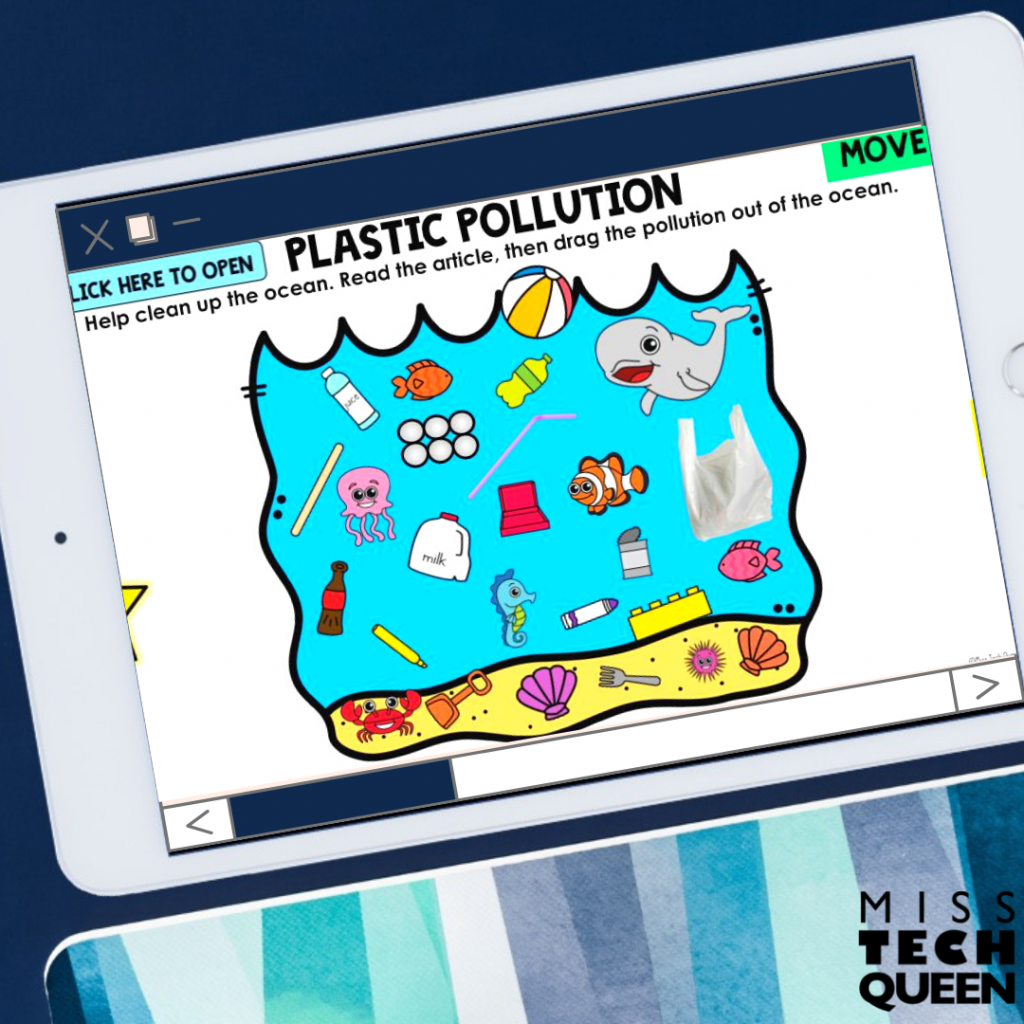
Students read a short article that explains how plastic waste is affecting the ocean ecosystem. The photos and statistics often surprise them, and it naturally leads to thoughtful conversations about how human actions affect the environment.
After their research, students complete an interactive sorting activity on the slides. Their task is to clean up the ocean by dragging pollution out of the scene and placing it where it belongs.
This activity is always a favorite because it gives students a chance to apply what they just learned. It also helps them see how small actions can make a big difference in protecting our oceans.
Seeing the Wonders of the World
What if you could take your kiddos on an epic field trip around the world during your class time? With my Wonders of the World STEM Quest virtual field trip, your students get to do exactly that while exploring the Seven Wonders of the World without ever leaving their desks.
As your students begin working through the challenges, they uncover fascinating facts about Chichen Itza, Petra, the Taj Mahal, Christ the Redeemer, the Colosseum, and the Great Wall of China. They learn that the Mayas built Chichen Itza in the 7th century and that Petra is carved directly out of sandstone. They discover that the Taj Mahal means “Crown of the Palaces,” and that Christ the Redeemer stands 98 feet tall. Even the Colosseum comes to life as they read about gladiator games, wild beast hunts, and mock sea battles that once filled its arena. The best part is hearing their reactions when they make each discovery!
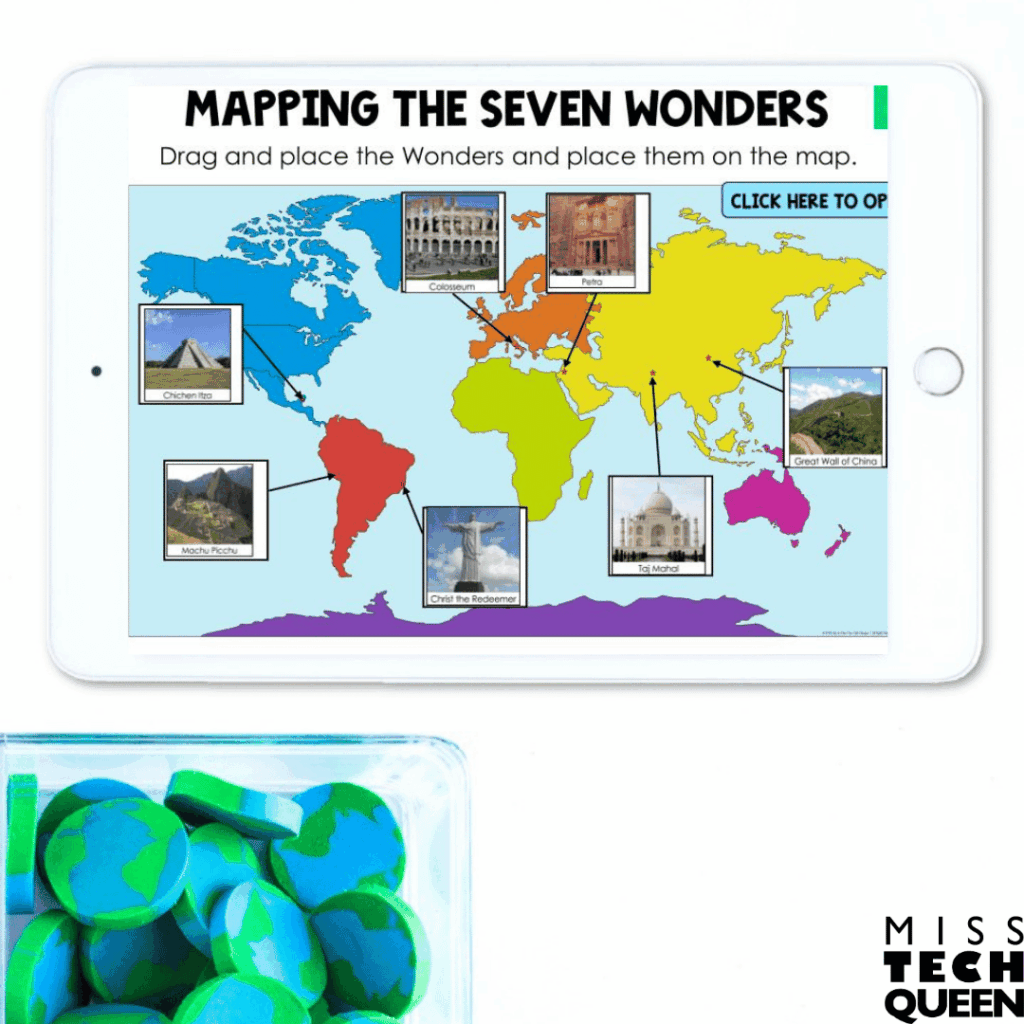
Mapping the Wonders
One of my favorite activities is when my students begin placing each Wonder on a world map. They see how far apart these landmarks truly are and begin to make connections between continents and civilizations. When they organize the Wonders chronologically, discussions happen naturally. They begin thinking about how long ago these structures were built and what was happening in different parts of the world at the same time.
Exploring with Google Earth
The Google Earth scavenger hunt takes the experience even further. Your students zoom in to explore the area surrounding Christ the Redeemer. They learn that Heitor da Silva Costa and Albert Caquot were the engineers behind its construction. They uncover the meaning of the Maya name Chichén Itzá and discover that the Taj Mahal houses the tomb of the emperor and his wife.
During this part of the lesson, the room gets quiet in the best way. You will see your students lean closer to their screens. You may even notice them slowing down, rereading details, and double-checking their work.
This quest fits into the social studies units your upper elementary students may be studying and gives your students a structured way to explore world history while still keeping the excitement of a field trip.
Looking Up at Skyscrapers
I have learned through my years of teaching that students ask you the most random of questions at sometimes the trickiest of times. I don’t know how many students over the years have asked me about what I think the tallest structure in existence is. If you’re reading that and nodding along, then check out my Skyscrapers STEM Quest virtual field trip.
While your students are working their way through this virtual field trip, they will discover details about skyscrapers across the globe. They learn that The Shard in London has forty-four elevators and that the Lippo Centre in Hong Kong is nicknamed the “Koala Buildings.” They discover that PPG Place is covered in glass and that the Turning Torso is twisted 90 degrees. Even the Elephant Building sparks conversation when they figure out it would take 33 elephants stacked on top of each other to reach the top. You will hear the surprise in their voices as they compare these facts and realize how creative skyscraper design can be.
Comparing Heights and Firsts
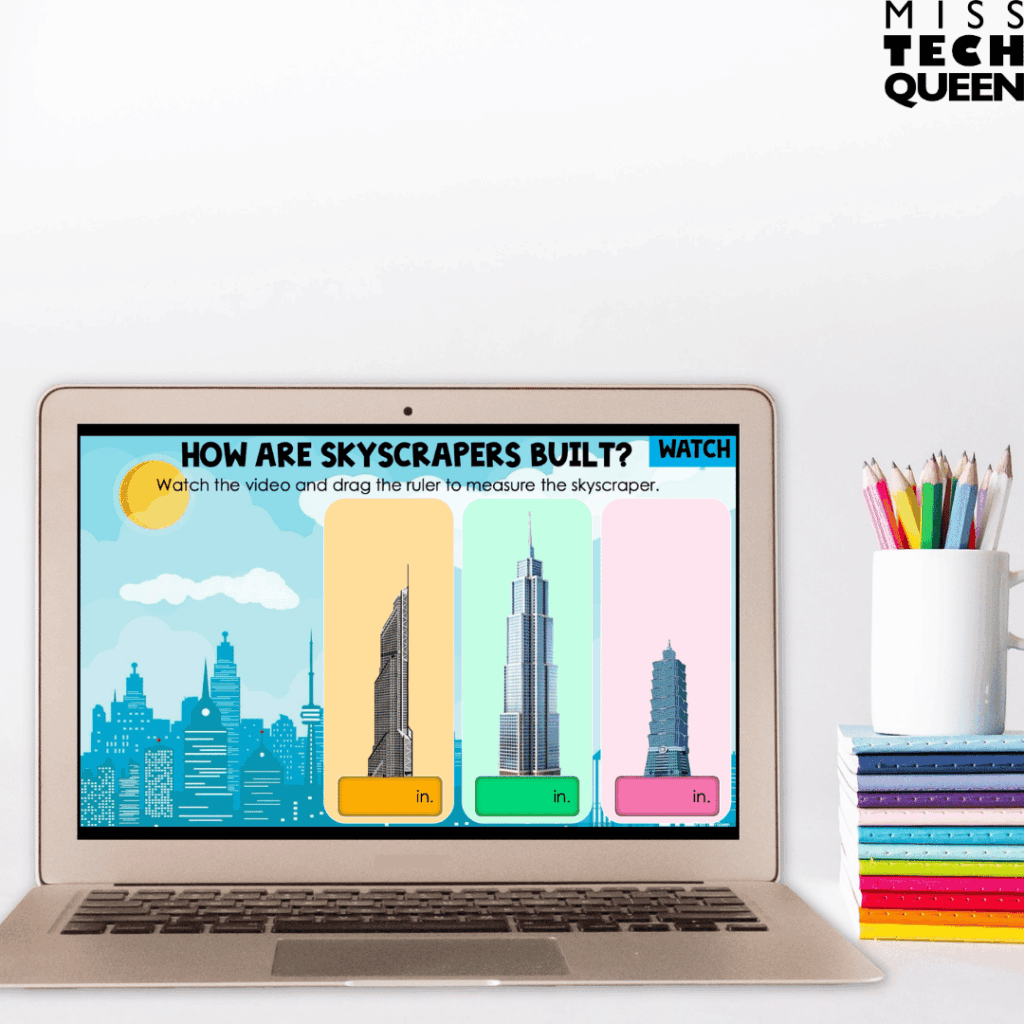
During their field trip, your students will also explore the history of skyscrapers. They’ll learn that the world’s first skyscraper, the Home Insurance Building in Chicago, was ten stories tall. That detail alone usually leads to conversation because ten stories feels small compared to what they have just learned about modern structures.
They examine which skyscraper is currently the second-tallest in the world. Along the way, they’ll begin noticing patterns in how buildings continue to grow taller and more complex over time. These comparisons naturally reinforce careful reading to catch the details about numbers without feeling like a traditional math lesson.
Exploring Engineering and Design
After they gather background information, they see the tallest skyscrapers in the world and learn how steel frames are used to construct them. This is a great example of how virtual field trips can tie into engineering and measurement. These types of lessons also stick with our students. They leave your room with facts that aren’t commonly known. When our students realize that a building can twist 90 degrees, that an elevator can travel 38 miles per hour, or that a skyscraper can stand nearly three times taller than the Eiffel Tower, it sparks curiosity and conversation. That sense of scale is what stays with them long after they’re finished with their work.
Bridges, Bridges, and More Bridges
Growing up, one of my favorite parts about going on road trips was traveling across bridges. I loved looking down at the water below and noticing the different structural designs. Swinging bridges were a close second favorite! Out of all my virtual field trips, I am always excited for my Bridges STEM Quest. It proves to my students that bridges are actually fascinating to study. For many students, bridges blend into the background, and their details and purpose often go unnoticed.
As they begin working through the challenges, they explore what a bridge actually is and why it is so important. They learn that bridges are structures that allow people and vehicles to cross over open spaces. They discover that bridges can be made from wood, stone, iron, and concrete. Along the way, they’ll find out about the oldest and most common type of bridge and about ancient arch bridges that are still standing today.
Understanding Bridge Types
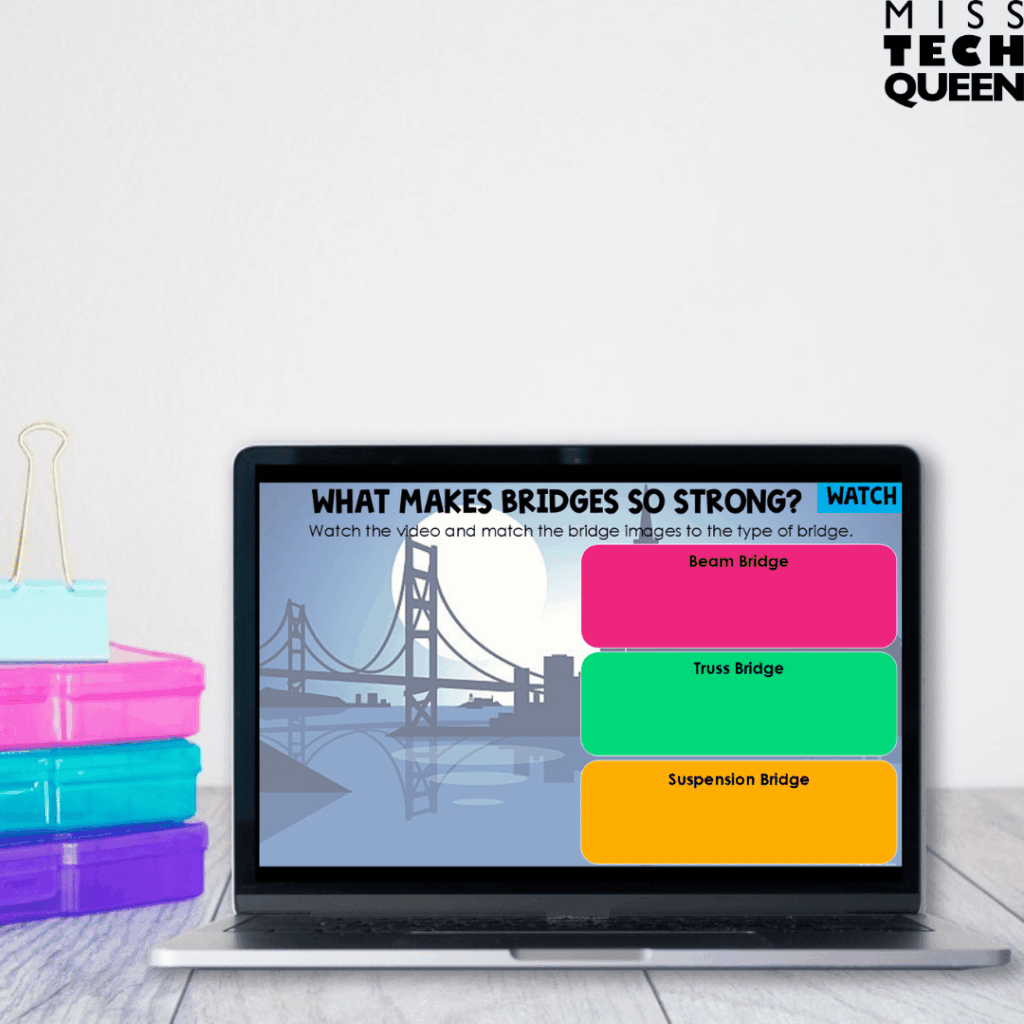
Students dive deeper into different bridge designs, including movable bridges like vertical lift bridges, swing span bridges, and pontoons. These details often spark curiosity because students begin connecting what they read to bridges they may have seen in real life.
When they watch the video about bridges around the world, they discover that the George Washington Bridge is the world’s busiest bridge. That fact alone usually surprises them. Suddenly, bridges are not just background structures. They are engineering feats that carry thousands of vehicles every single day.
How Bridges Stay Standing
As students continue exploring, they learn that the first part of building a bridge is the foundation that gets dug underground. That detail shifts their thinking. They begin to realize that what they see above the water or roadway is only part of the structure.
During the Google Earth exploration, they examine unique bridges like the Tarr Steps and learn that 17 flat slabs of stone span the crossing. They uncover the materials used in the Tay Rail Bridge and discover that the Tower Bridge is actually a combination of suspension and bascule, or drawbridge, design.
By the end of this virtual field trip, bridges are no longer just something students drive across. They become carefully designed structures built to handle weight, movement, and stability. It changes how students look at the world around them.
A World Full of Animals
One of my favorite things about teaching ecosystems is seeing how naturally curious my students become when we start talking about different habitats and the animals that live there. With my Animal STEM Quest, they get to do exactly that!
As your students begin working through the challenges, they uncover fascinating facts about ecosystems around the world. They learn that the rainforest has four layers and that most animals live in the canopy. They discover that the highest temperature ever recorded on Earth was 134 degrees Fahrenheit and that treeless areas in the Arctic are called tundra. These small discoveries naturally lead to bigger conversations about how animals survive in such extreme conditions.
Comparing Habitats
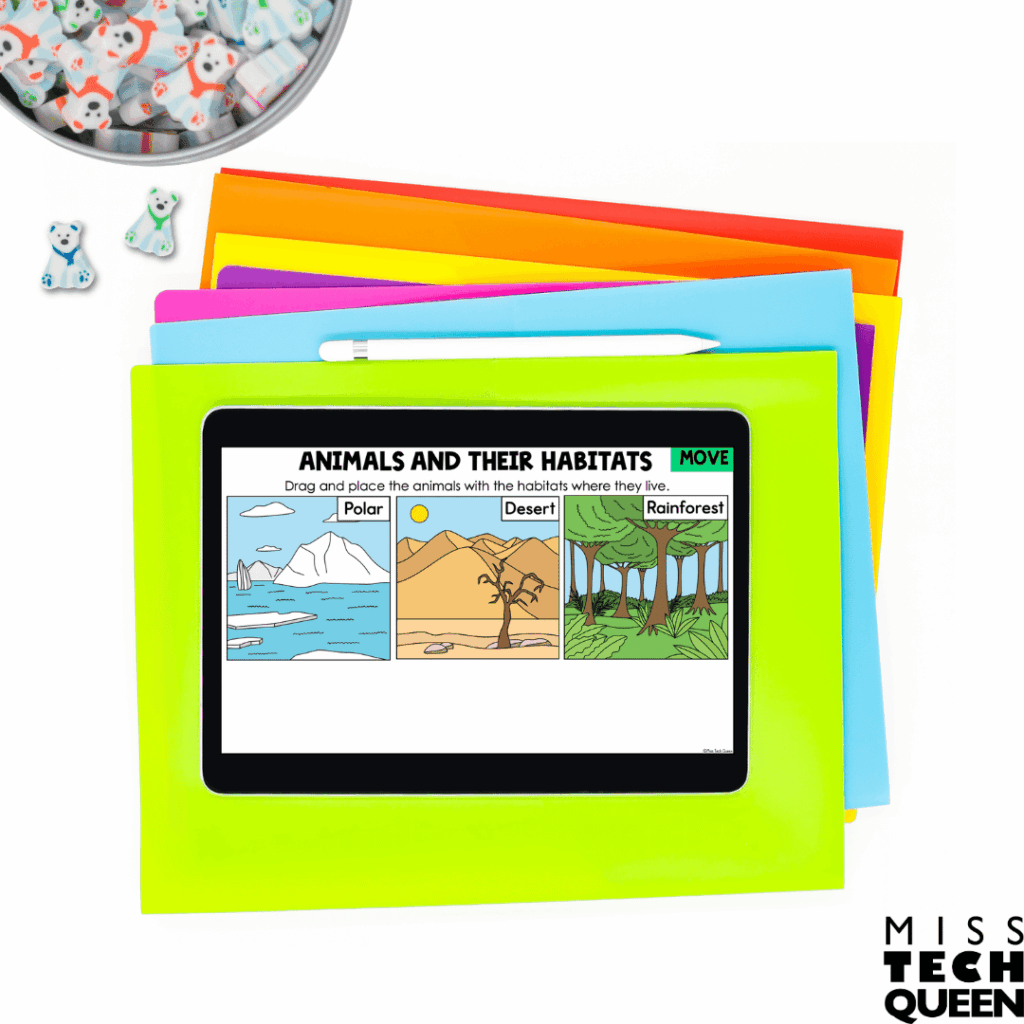
As your students continue exploring, they begin identifying which habitats receive less than six inches of rain per year and which get more than eight feet. They connect prairies and savannahs to grasslands and recognize that polar habitats are the coldest places on Earth, where land remains partly frozen.
The animal sorting portion is always a favorite. They are given the task of matching animals such as the Snowy Owl, Polar Bear, and Reindeer to the polar habitat. They place Camels and Ostriches in the desert and animals like Gorillas, Iguanas, and Macaws in the rainforest. It becomes a hands-on way to reinforce understanding while keeping engagement high.
Discovering Unique Species
Your students will investigate animals from temperate forests, mountains, oceans, urban areas, and farms. Then they dive into the National Geographic Society Photo Ark and uncover incredible facts. By the end, your students will begin seeing habitats as ecosystems filled with unique and sometimes endangered species. It expands their understanding of the world and often sparks motivation for protecting the animals that share our planet.
Virtual Field Trips That Make Learning Unforgettable
Virtual field trips truly give us the best of both worlds. You get all the excitement, curiosity, and engagement of a traditional field trip without the buses, permission slips, or schedule juggling. Your students still get to explore space, dive into the ocean, travel the globe, and investigate engineering marvels. And they get to do it in a structured, interactive, and academically meaningful way.
What I love most about using virtual field trips is how seamlessly they combine exploration with accountability. My students are actively researching, watching, dragging, sorting, analyzing, and solving. They are thinking and problem-solving.
If you are looking for a way to bring fresh energy into your classroom while still keeping learning purposeful, virtual field trips are such a powerful option. They create those “wow” moments your students remember. Even better, they do it in a way that supports independence, critical thinking, and real-world connections. That sounds like a field trip worth taking to me!
Check out this video to see a STEM Quest virtual field trip preview.
Virtual Field Trips are for Everyone
If one virtual field trip just isn’t enough and you need more engaging fun, you’re in luck! My STEM Quest Virtual Field Trip Bundle gives you multiple ready-to-use quests you can assign as a whole group, small group, centers, or independent work.
You can start with Space to get your students exploring out of this world. Try the Ocean virtual field trip when your students start their next science unit. You could even bring the Wonders of the World to your students for a social studies boost.
You will be shocked as you watch what happens to your student engagement levels! Click here to grab the STEM Quest Virtual Field Trip Bundle and launch your first adventure.
Save for Later
Pin it! Be sure to save these exciting STEM Quest virtual field trips to your favorite classroom Pinterest board so you can come back anytime for fun and engaging virtual field trips your students will love!