
Have you ever started planning a force and motion unit and realized how easy it is for a very hands-on science topic to become a lot of vocabulary? Push. Pull. Friction. Motion. Your students can learn what each word means, but understanding clicks when they can see it in action. That’s why I love using STEM to explore force and motion. Your students can build, test, make changes, and see how those changes affect the way objects move. Let’s look at a few simple ways to get started, plus STEM challenges you can use to take that learning even further.
Help Your Students Make Sense of Force and Motion
You can explain that a force is a push or pull, but those words mean much more when your students can see them in action. A push can send an object across the floor. A pull can bring it closer. Forces can also change how fast an object moves, the direction it travels, or whether it moves at all.
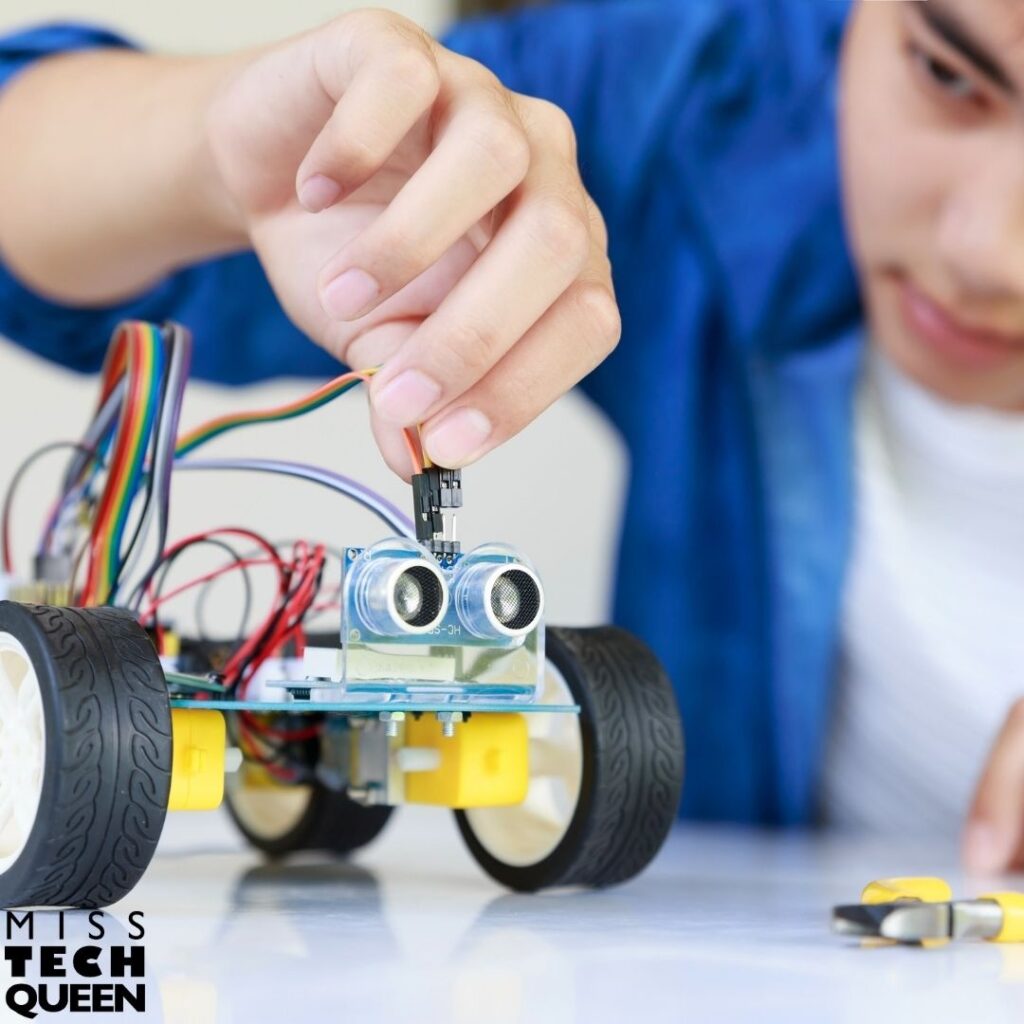
This is why I like making force and motion as hands-on as possible. When your students roll, push, pull, and launch objects, they have something concrete to connect to the science vocabulary. Instead of simply remembering that friction can slow an object down, they can compare what happens when the same object moves across two different surfaces.
You can build even more thinking into these activities by asking your students to predict before they test. Try asking your students questions like, “What do you think will happen if we make this ramp steeper?” or “How could we make this object travel farther?” Then, give them time to test their ideas and talk about what happened. Those conversations help your students move beyond simply making something move and start thinking about why it moved the way it did.
Try These Quick Force and Motion Investigations
You do not need a full STEM challenge every time you want your students to experiment with force and motion. A few simple materials can give them plenty to investigate. Set up a ramp and let your students test how far a toy car travels. Then change the ramp height and have them predict what will happen before testing again.
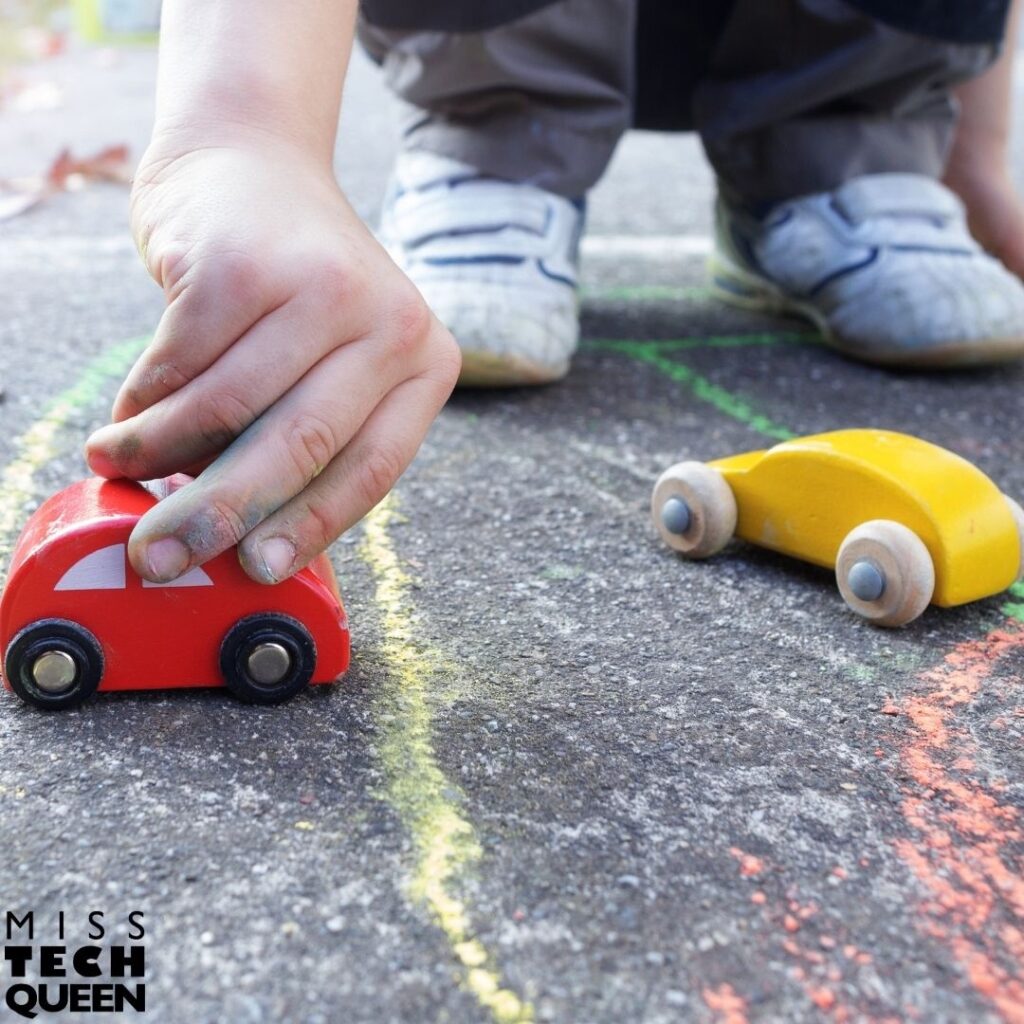
You can use the same setup to explore friction by changing the surface the car travels across. I recommend trying materials with different textures, like felt, wax paper, and bubble wrap. Keep the ramp and car the same for each test. Have your students measure how far the car travels and how long it takes to travel, record the results, and compare them. Ask your students, “Which surface changed the car’s motion the most?” and “What did you notice that makes you think that?”
Cars and ramps are only one option. You can also have your students experiment with pushes and pulls by moving the same object with different amounts of force and comparing what happens. You can even set up a simple balloon rocket and have your students observe what happens when they release the air. Whatever you choose, encourage your students to predict, test their idea, and talk about what they noticed.
Put Force and Motion to Work With a Marble Maze
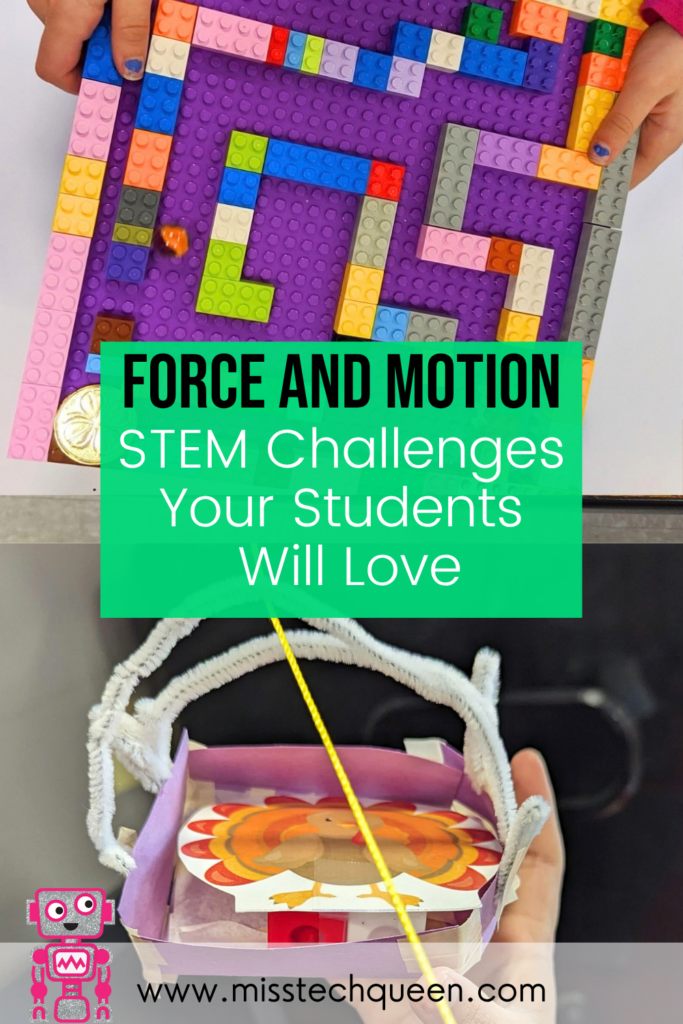
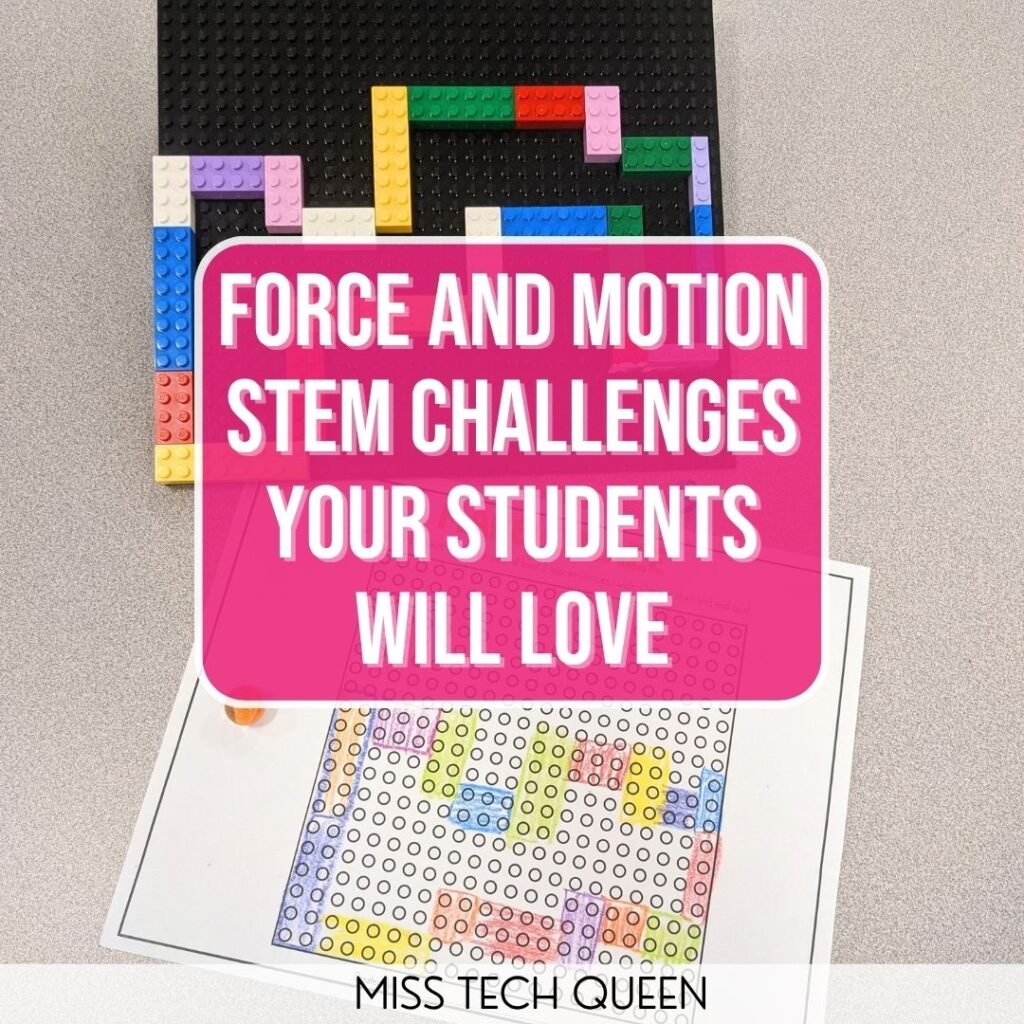
Once your students have experimented with force and motion, a marble maze gives them a bigger problem to solve. In my Marble Maze STEM Challenge, your students will create a maze with a start and finish, obstacles, dead ends, and fake paths. They don’t follow one model, so they have plenty of room to create their own designs.
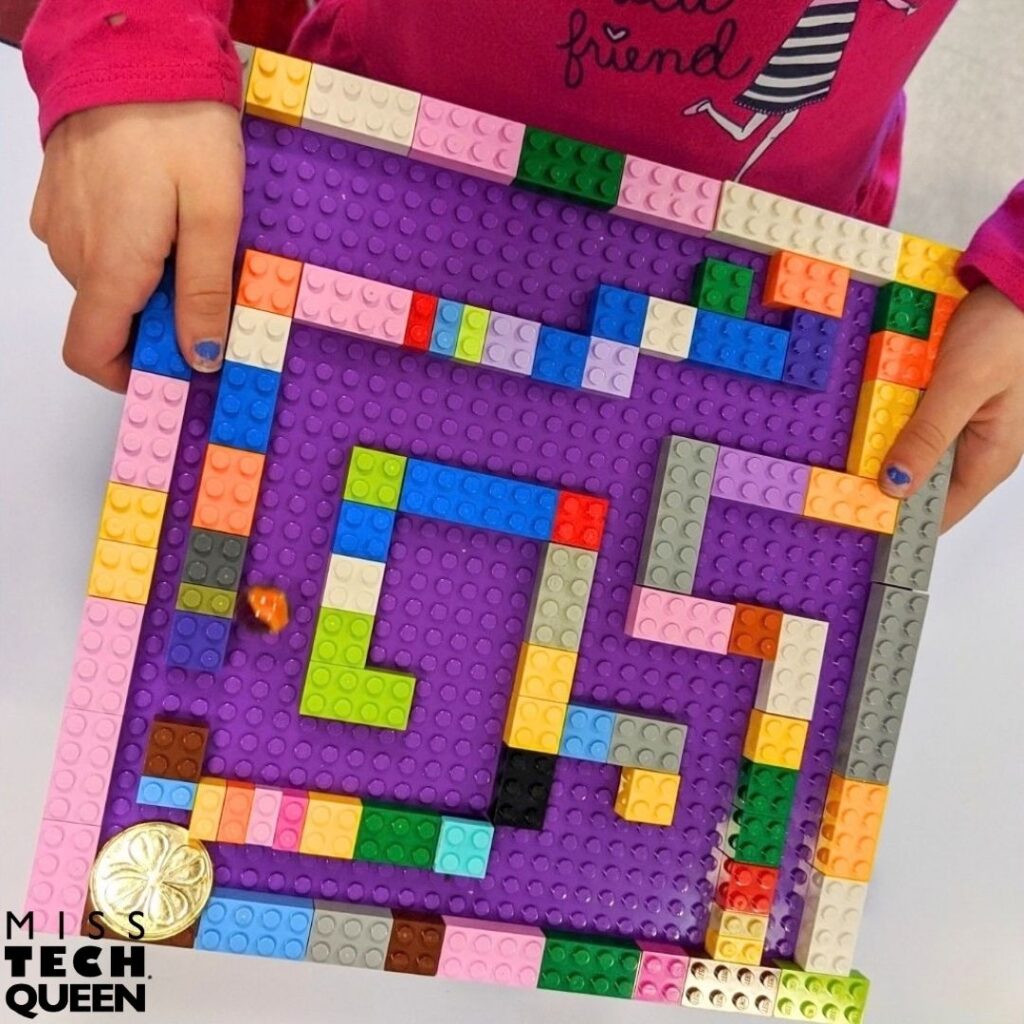
Testing is where you bring the science back into the conversation. Have your students pay attention to what happens as they try to move the marble through their maze. Where does it change direction? Where does it get stuck? What do they have to do to keep it moving? If something is not working, encourage them to change part of the design and test it again.
You can also have your students swap mazes once they are finished. This gives them a chance to see whether another classmate can successfully move the marble from start to finish. It also reinforces the idea that building is only part of STEM. Testing, noticing what happens, and improving a design are just as important.
Build a Roller Coaster to Explore Motion
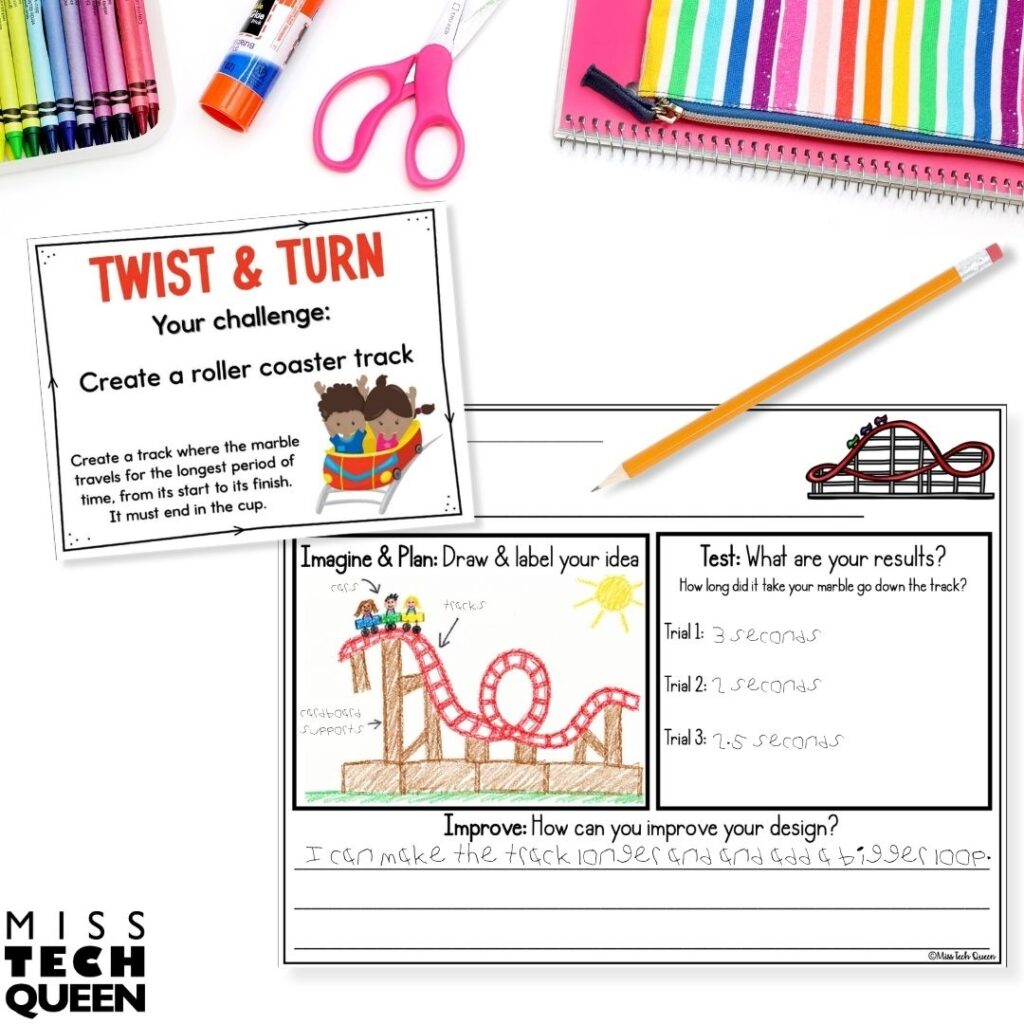
If your students enjoyed getting a marble through a maze, let them see what happens when they build a track for one instead. My Roller Coaster STEM Challenge is open-ended, so you can use the building materials that work best for your classroom and adapt the challenge for your different grade levels.
As your students build, encourage them to test their roller coasters before they decide they are finished. Have them watch what happens as the marble travels along the track. Where does it move quickly? Where does it slow down or stop? If the marble cannot make it through part of the track, that is their chance to figure out what to change.
Launch Into Force and Motion With a Catapult
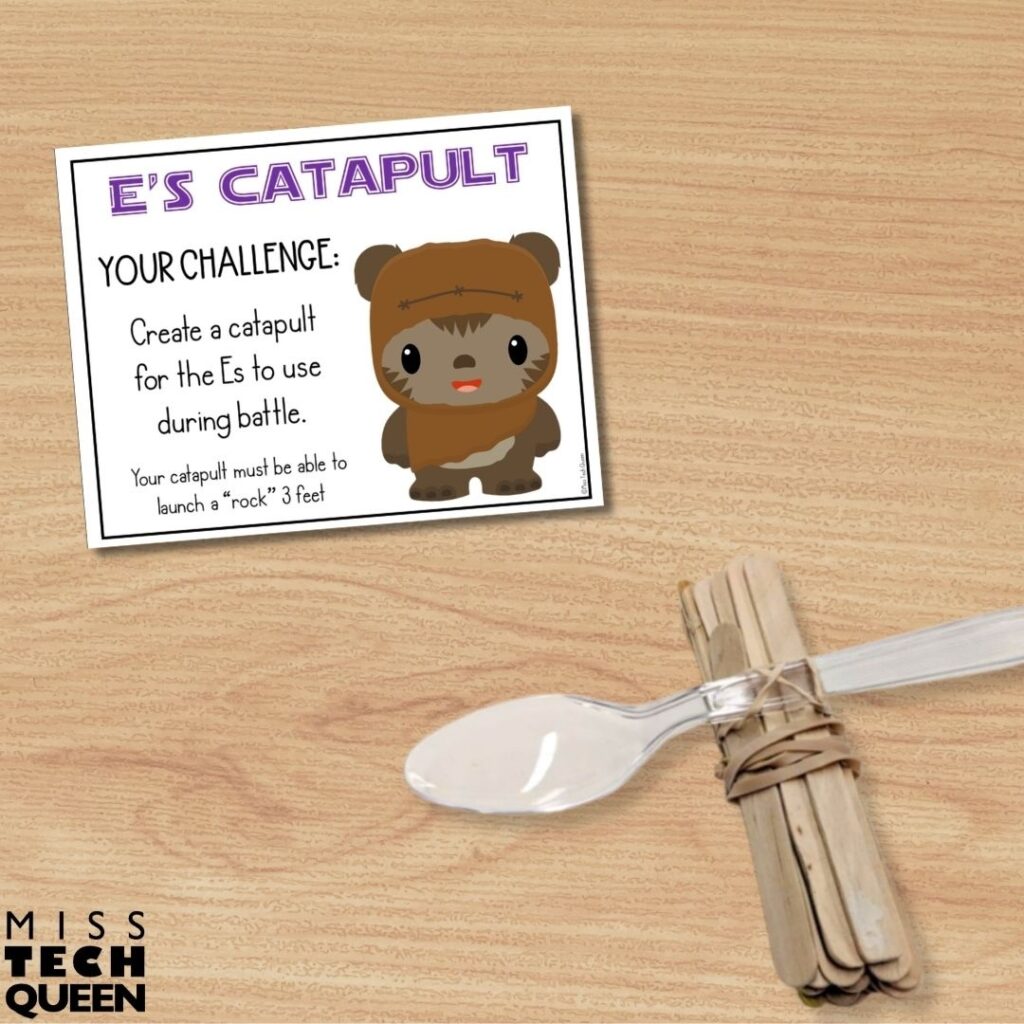
There is something about launching an object across the room that gets your students excited to start testing. With my Space Wars Catapult STEM Challenge, your students will use materials such as rubber bands, craft sticks, bottle caps, and spoons to create a catapult. Their catapult must launch a marshmallow or pompom, giving them a clear way to see force and motion in action.
Set up a testing area with a starting line so your students can launch from the same place. In the challenge, I recommend marking the different distances on the floor. After everyone has gone, your students can work on improving their catapults to make their objects travel farther. You can even add a cup or small bucket as a target when your students are ready for another challenge.
Send a Turkey Down a Zipline
Force and motion can even make their way into your seasonal STEM activities. In my Turkey Zipline STEM Challenge, your students will create something that can hold a turkey as it travels down a string. The challenge gives them another opportunity to build something that moves, but is different from launching a catapult or guiding a marble. You can also introduce this challenge with a fun read-aloud about turkeys to inspire your students before they get started.
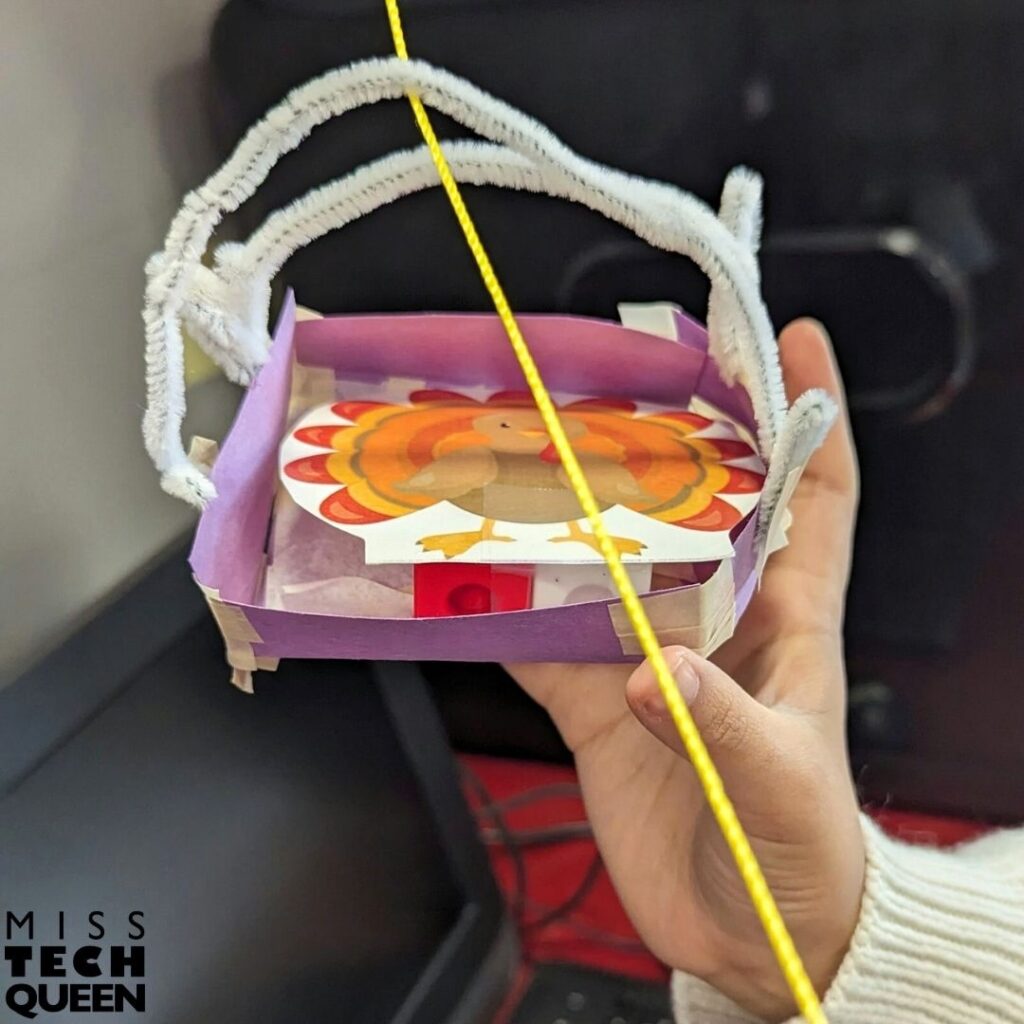
Encourage your students to watch the turkey closely during each test. Does it make it all the way down the zipline? Does it stop somewhere along the way? What could they change about their design to affect how it travels? Encouraging careful observation will help them identify which forces are in action.
You can extend the challenge by asking your students to make the turkey travel down the zipline as quickly as possible. Older students can time their trials and compare the results after making changes. Now they have data they can use as they decide whether their latest design actually improved how the turkey moved.
Let Your Students Experience Force and Motion
Your students can memorize that a force is a push or pull. However, there is a big difference between knowing a definition and watching that force affect something they built. Give them opportunities to roll a car, guide a marble, launch an object, or send something down a zipline. Those science concepts all have something concrete to connect to.
You also do not need every test to work perfectly. When something stops too soon, travels in the wrong direction, or does not move as expected, there’s another problem to solve. Give them time to figure out why, make a change, and try again. That is where a simple force and motion activity can turn into some memorable STEM learning.
Make STEM Planning Easier All Year
If you love watching your students build, test, and figure things out for themselves, you don’t have to stop once your force and motion unit is over. I created my STEM for a Year Club to give you STEM challenges you can use all year long without constantly searching.
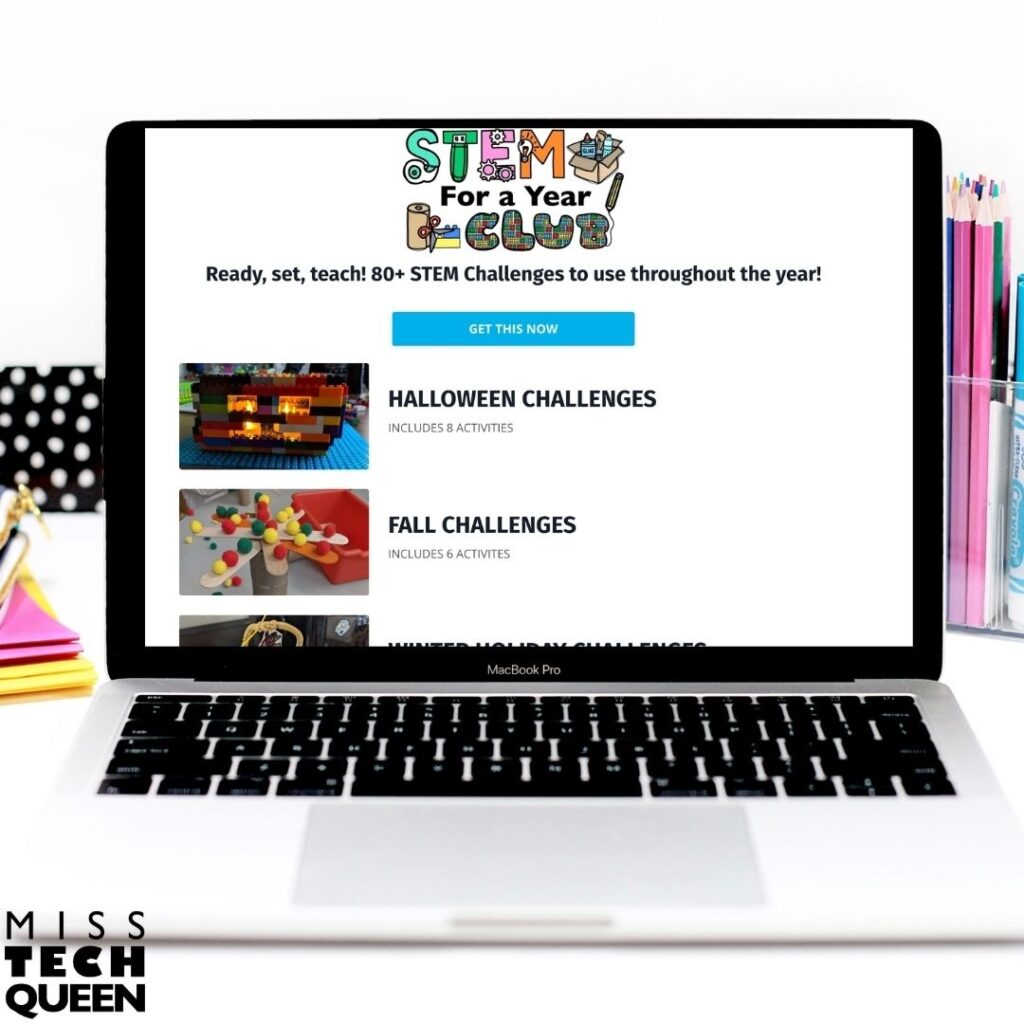
Inside the club, you’ll find 85 STEM challenges, including seasonal and all-year options. I am constantly adding more challenges, so you’ll have plenty to work with. The challenges are low-prep, use common or reusable materials, and can be adjusted for your students. You’ll also have task cards and differentiated response sheets, plus printable and digital options.
Instead of spending your planning time figuring out what your students should build next, you can choose a challenge and focus on building their STEM skills. Take a look inside my STEM for a Year Club and make planning your next STEM lesson one less thing on your list!
Save for Later
Save this post to your favorite STEM Pinterest board so you can come back when you’re planning your next force and motion unit. You’ll have quick ideas plus hands-on STEM challenges ready when you want your students building, testing, and learning through movement.