


STEM can be one of the most exciting parts of the school day, but it can also be one of the most expensive. Robotics kits, coding tools, engineering materials, makerspace supplies, and technology equipment can quickly stretch even a generous classroom budget. Many of us have incredible ideas for engaging STEM projects, but we often find ourselves limited by the cost of the necessary materials. That is where STEM grants can make a difference.

Grant funding can help you purchase materials, launch new programs, and create learning experiences that may not otherwise be possible. Over the years, I have learned that many organizations are eager to support innovative STEM education when we are willing to apply. Whether you are hoping to start a robotics club, build a makerspace, or add hands-on engineering challenges to your classroom, STEM grants can help make those goals a reality.
Why STEM Grants Matter
Strong STEM experiences allow our students to solve problems, collaborate with peers, think critically, and develop skills that will serve them long after they leave our classrooms. Unfortunately, many of the materials that support these experiences come with a significant price tag. We often find ourselves choosing between scaling back ideas or spending our own money on resources. STEM grants can help bridge that gap by providing dedicated funding for projects.
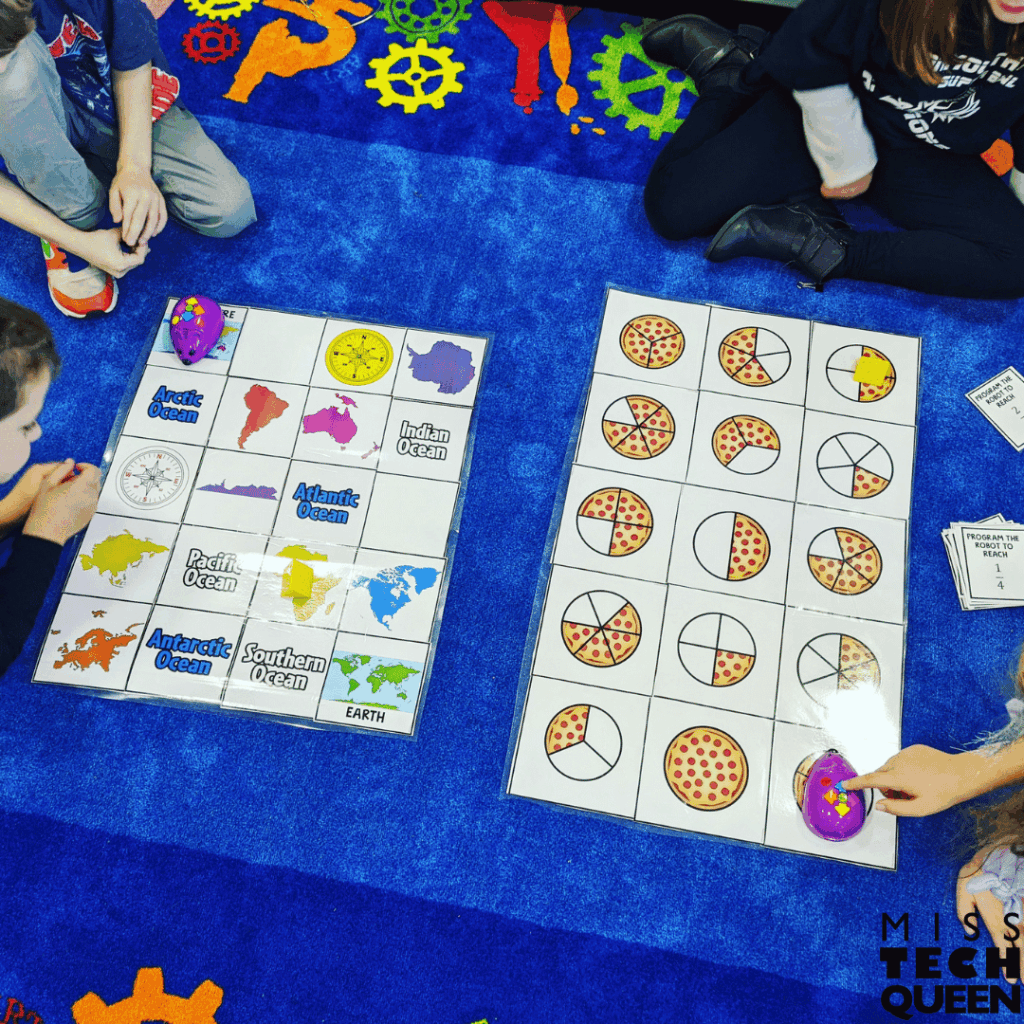
Another reason STEM grants are so valuable is that they can help create opportunities for our students who may not otherwise have access to STEM learning experiences. Not every school has a large technology budget or a dedicated STEM lab. Grant funding can help level the playing field by bringing robotics, coding, engineering, and design challenges into classrooms that might otherwise struggle to provide those experiences. This allows more of our students to explore potential interests and careers in STEM-related fields.
STEM grants can also provide us with the freedom to try something new. Funding opportunities can remove barriers and allow us to pilot programs, test new resources, or introduce emerging technologies. Even if a project starts small, it can often grow into something much larger once our students and administrators see its impact.
How to Find STEM Grants
Finding STEM grants often starts with knowing where to look. We naturally assume grant opportunities are difficult to find. There are actually many organizations that actively seek to support classroom innovation. National companies, nonprofit organizations, community foundations, utility companies, and educational organizations frequently offer funding opportunities for schools and classrooms. The challenge is to create a system that helps you discover opportunities before application deadlines pass.

One of the easiest ways to find STEM grants is to follow organizations that regularly support STEM education. Companies involved in technology, engineering, manufacturing, and education often have grant programs designed specifically for schools. Many organizations also offer email newsletters that announce new funding opportunities throughout the year. Taking a few minutes to subscribe to these updates can save you a lot of time searching for opportunities later.
Local organizations can also be excellent sources of STEM grants. They will frequently invest in schools within their service areas. Since these grants are often limited to specific regions, they may receive fewer applications than national programs, and this can increase your chances of receiving funding. I recommend taking some time to explore opportunities available within your own community before expanding to the national level.
How to Write STEM Grants That Stand Out
When we hear the word grant, we immediately imagine lengthy proposals filled with complicated requirements. While some larger grant programs can be extensive, many classroom-focused STEM grants are straightforward. In many cases, you are simply completing an application, describing your project, and explaining how your students will benefit. The process is often much more manageable than you would expect. Understanding what reviewers are looking for can help strengthen your application.
1. Focus on Student Impact
One of the most important things you can do when applying for STEM grants is focus on student impact rather than materials. Reviewers are not usually interested in funding a set of robotics kits simply because they are exciting. They want to know how those robotics kits will help your students learn, collaborate, problem solve, and develop STEM-related skills. The materials are important, but they are only part of the story. Your application should clearly explain what your students will experience as a result of the funding.
2. Be Descriptive

Specific details can also help your application stand out. Instead of writing that your students will use the materials throughout the year, explain how they will be incorporated into lessons or projects. Describe the activities your students will complete and the skills they will practice. The more clearly a reviewer can picture your project in action, the easier it becomes for them to understand its value. Concrete examples often make applications much more compelling than broad statements.
3. Provide Numbers
Numbers can strengthen an application as well. If your project will impact 120 students across multiple grade levels, include that information. If your students will participate in monthly engineering challenges or weekly coding lessons, share those details. Specific numbers help reviewers understand the scope of your project. They also demonstrate that you have carefully thought through the implementation.
4. Express Your Excitement
Finally, do not underestimate the power of enthusiasm. As classroom teachers, we know our students better than anyone. If you are excited about a project, let that passion show through your writing. Grant reviewers read many applications. Authentic enthusiasm can help yours stand out. Even if you are not selected the first time, every application helps you become a stronger grant writer for future opportunities.
STEM Grants to Explore This Year
Now that you know where to find STEM grants and how to create a stronger application, let’s look at some specific grants worth exploring. One important thing to remember is that grant programs change frequently. Deadlines, funding amounts, eligibility requirements, and application windows can all be updated from year to year. The STEM grants below were available at the time this post was written. You should always visit each organization’s website for the most current information. Even if a grant is not currently accepting applications, it may reopen later in the year.
Bright Ideas
One of my favorite STEM grants to recommend is the Bright Ideas Grant. I have personally received a Bright Ideas Grant twice, which is one reason I continue to encourage you to look into the program. One of the biggest advantages is that the application process is relatively straightforward compared to some larger grant opportunities. It is a great starting point for you to build confidence when applying for funding.

Another reason I appreciate this program is that it focuses on supporting innovative classroom projects. Rather than requiring a massive school-wide initiative, you can apply for this grant with practical ideas that directly impact your students. This makes it accessible for you to bring a specific project to life. Smaller projects can still create meaningful learning experiences for your students.
Since Bright Ideas Grants are often connected to local utility providers, availability may vary depending on where you live. If your local provider participates, it is definitely worth taking the time to learn more about the program. Even if you are unsure whether your idea will be selected, the application process itself is valuable practice.
Project Lead The Way
Project Lead The Way offers a variety of grant opportunities and funding resources for expanding STEM programming. These opportunities are especially valuable for anyone implementing engineering, computer science, or biomedical science pathways. Since Project Lead The Way focuses heavily on hands-on learning, many of its funding opportunities align well with classroom STEM initiatives. You can often find support for curriculum implementation, professional development, and equipment needs. The specific opportunities available may vary throughout the year.
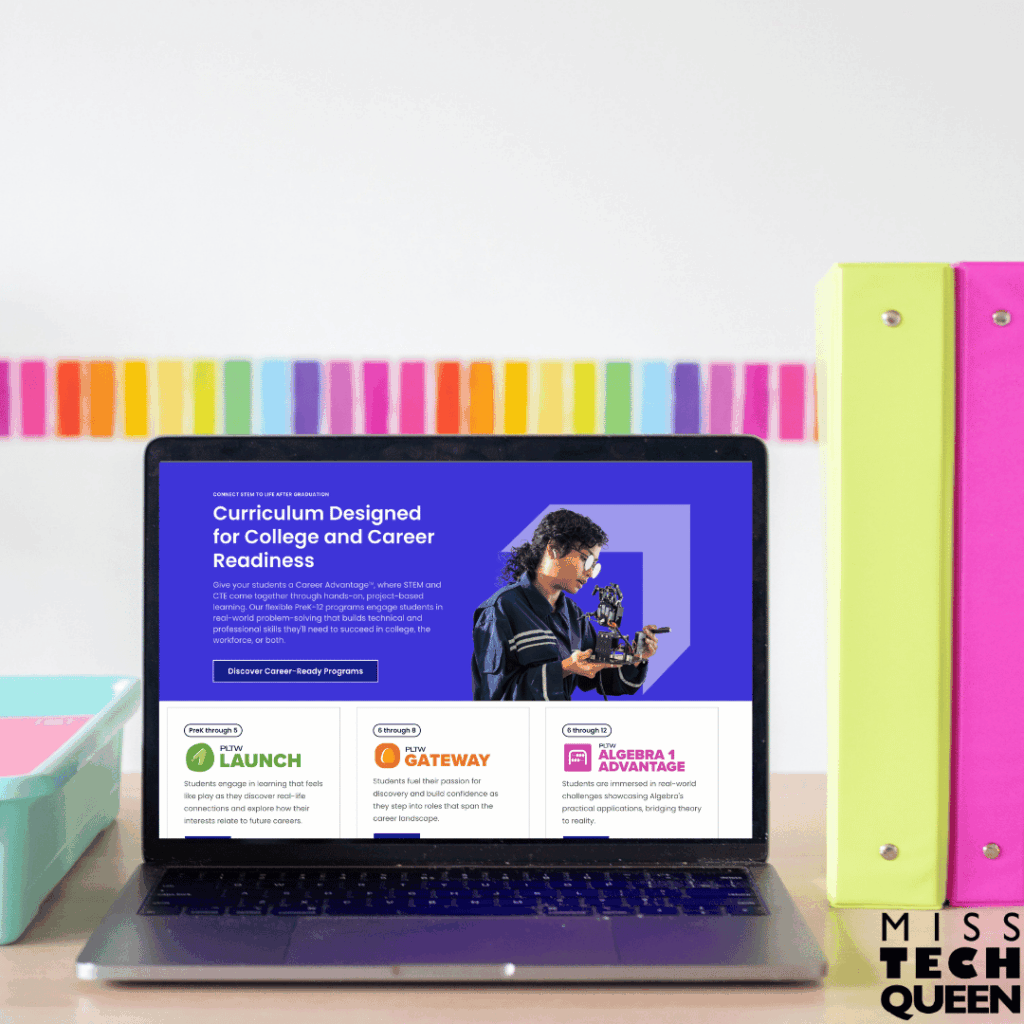
One advantage of exploring Project Lead The Way funding is that the organization understands the unique needs of STEM education. This can make them particularly relevant for educators seeking long-term STEM program growth. Rather than funding a single activity, some opportunities may support broader program development. This can help schools create sustainable STEM experiences for students.
Even if your school is not currently using Project Lead The Way, it is worth exploring their funding page. New opportunities may become available throughout the year. The site also provides useful information about planning and supporting STEM initiatives. Taking time to review available programs can help you identify possibilities that align with your goals. Sometimes opportunities appear when you least expect them.
LEGO Education
LEGO Education has become a well-known name in STEM learning because of its focus on hands-on problem-solving and engineering experiences. Many of us use LEGO-based resources to introduce coding, robotics, design thinking, and collaboration skills. Since these programs can require a financial investment, LEGO Education provides funding information and grant resources to help schools explore available opportunities. This can make it easier for educators to bring engaging STEM experiences into their classrooms. The available funding information changes periodically, so it’s worth checking back regularly.
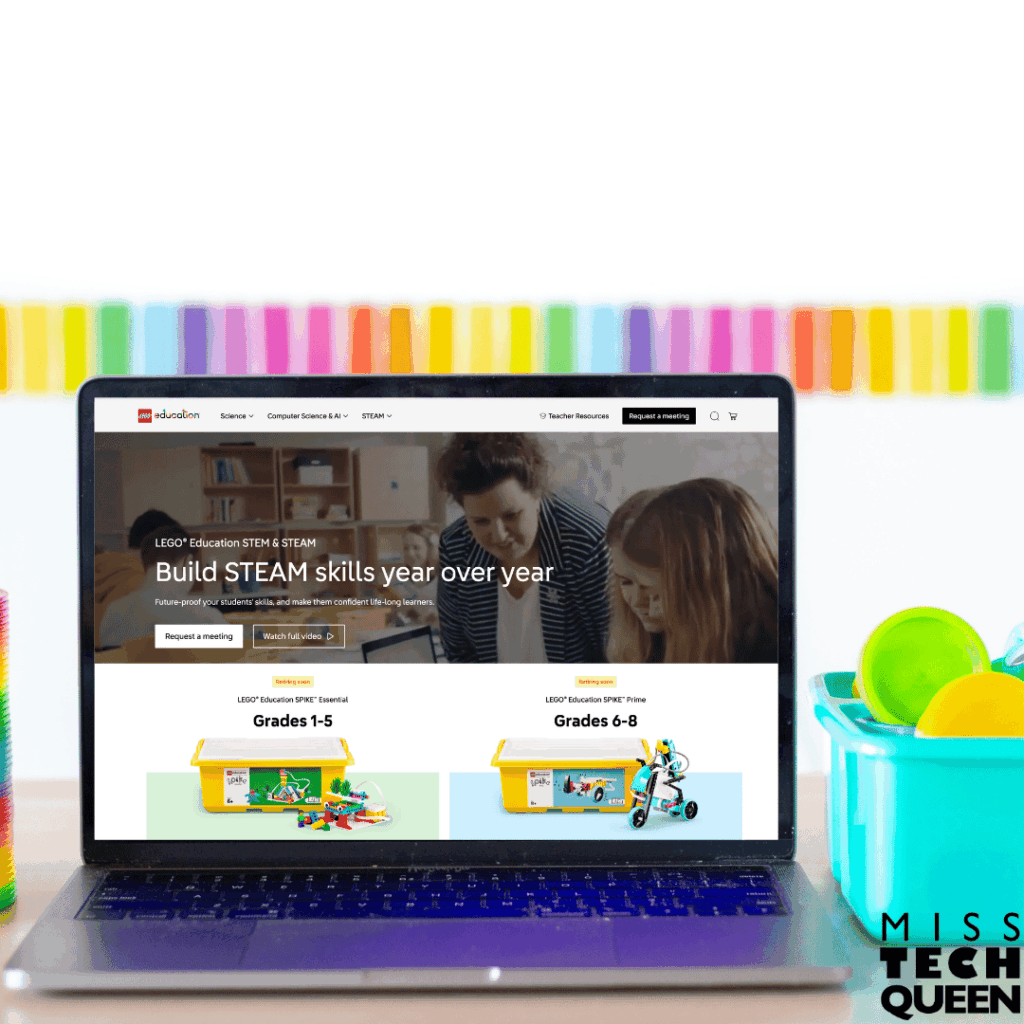
One thing I appreciate about LEGO Education is its emphasis on active learning. Your students are not simply consuming information. They are building, testing, revising, and solving problems through hands-on experiences. These types of activities often generate high levels of student engagement. Funding opportunities connected to these experiences can help schools expand access to meaningful STEM learning. That can be especially valuable for classrooms working with limited budgets.
Even if a specific grant opportunity is not currently available, the website often provides information about additional funding sources. Exploring these resources can introduce you to opportunities you may not have discovered otherwise. The more funding sources you know about, the more options you have when planning future projects. Building a list of resources now can save time later.
STEM Grants Databases Worth Bookmarking
Sometimes the best STEM grants are not individual programs but databases that help you locate funding opportunities. One resource worth exploring is STEMGrants.com. Rather than focusing on a single grant, the site provides information about multiple funding opportunities for schools and nonprofit organizations. This can save you time when searching for grants. Having one place to begin your search can make the process feel much more manageable.

Grant databases can be especially helpful because opportunities are constantly changing. New grants open, deadlines shift, and funding priorities evolve throughout the year. A database allows you to monitor multiple opportunities without visiting dozens of separate websites. This can help you stay informed about funding options as they become available. The more consistently you check these resources, the more opportunities you are likely to discover.
I recommend bookmarking grant databases and revisiting them throughout the year. Many of us only search for grants when we need funding immediately. A more proactive approach often leads to better results because you have time to plan ahead. Creating a list of grants that align with your goals can help you stay organized. When an application window opens, you will already know which opportunities are worth pursuing.
Local STEM Grants You May Be Overlooking
While national STEM grants often receive the most attention, local funding opportunities should not be ignored. Community foundations, local businesses, education foundations, and service organizations frequently provide grants for schools and classrooms. These programs may not offer the largest awards, but they can still provide meaningful support for classroom projects. In some cases, local grants may be less competitive than national opportunities. That can improve your chances of receiving funding.

Many local organizations are eager to invest in students within their own communities. They want to see the direct impact of their support and often appreciate projects that benefit local schools. This creates opportunities for you who are willing to build relationships and share your ideas. Sometimes a small grant can provide exactly the funding needed to launch a project. Those initial successes can also strengthen future grant applications.
If you have not explored local STEM grants before, consider reaching out to your district foundation, local businesses, or community organizations. You may be surprised by the opportunities available. A quick search can uncover programs that many of us never realize exist. Keeping a list of local funding sources can be incredibly valuable over time. The more opportunities you identify, the stronger your funding strategy becomes.
Keeping Track of STEM Grants Throughout the Year
One mistake many of us make is searching only for STEM grants when we need funding immediately. By the time we begin looking, application deadlines may have already passed. Developing a simple system for tracking opportunities can help prevent this problem. A spreadsheet, calendar reminder, or digital planner can be enough to keep important dates organized. Consistency is often more important than complexity.
I like the idea of setting aside a small amount of time each month to review available STEM grants. This does not need to become a major project. Even fifteen or twenty minutes can help you stay informed about new opportunities. Over the course of a year, those small check-ins can lead to multiple funding opportunities. A little planning can go a long way.
Additional STEM Resources

If you are looking for engaging STEM activities to use once funding arrives, be sure to explore my TPT store. You will find hands-on STEM challenges, technology activities, coding projects, and classroom resources designed to help your students think critically and solve real-world problems. Having high-quality resources ready to implement can help you maximize the impact of any funding you receive. Whether your project is large or small, meaningful STEM learning starts with strong instructional experiences. I hope these STEM grants help you bring even more exciting opportunities to your students.
Turning STEM Dreams Into Classroom Reality
STEM grants can open doors to opportunities that may otherwise remain out of reach. Whether you want to launch a robotics club, expand a makerspace, introduce coding lessons, or bring more engineering challenges into your classroom, funding opportunities can help transform ideas into reality. The key is knowing where to look, understanding how to create a strong application, and staying consistent in your search. While not every application will result in funding, every application is an investment in future opportunities. The teachers who receive grants are often the ones who continue applying!
Save for Later
Looking for ways to fund STEM projects without draining your classroom budget? Save this post to your favorite STEM Pinterest board, so you have a list of STEM grants, funding resources, and grant-writing tips ready when application season arrives. You’ll also find links to several STEM grant opportunities that can help bring your classroom ideas to life.